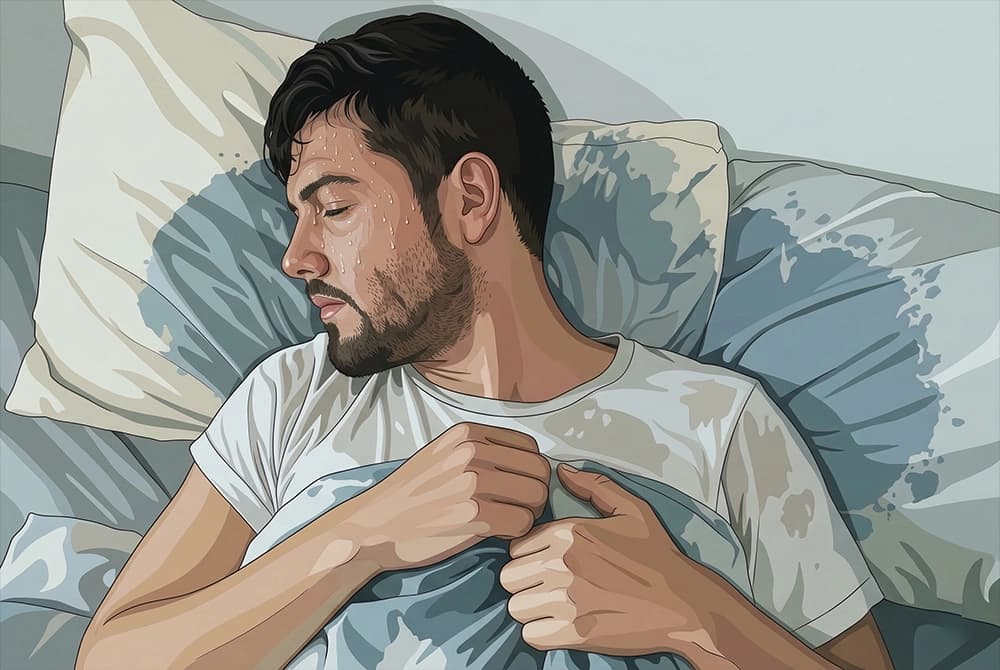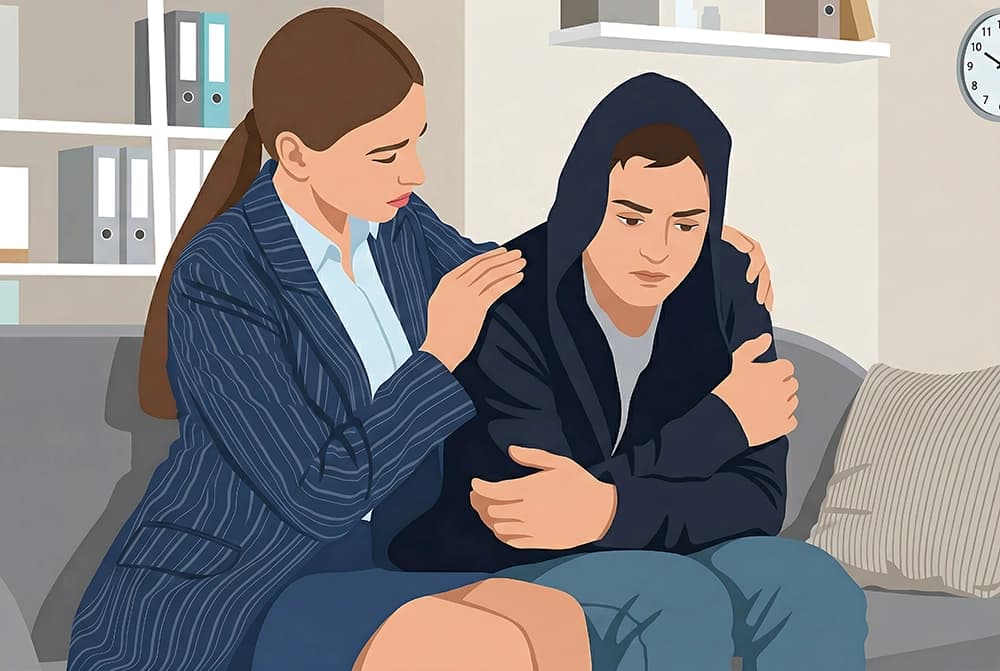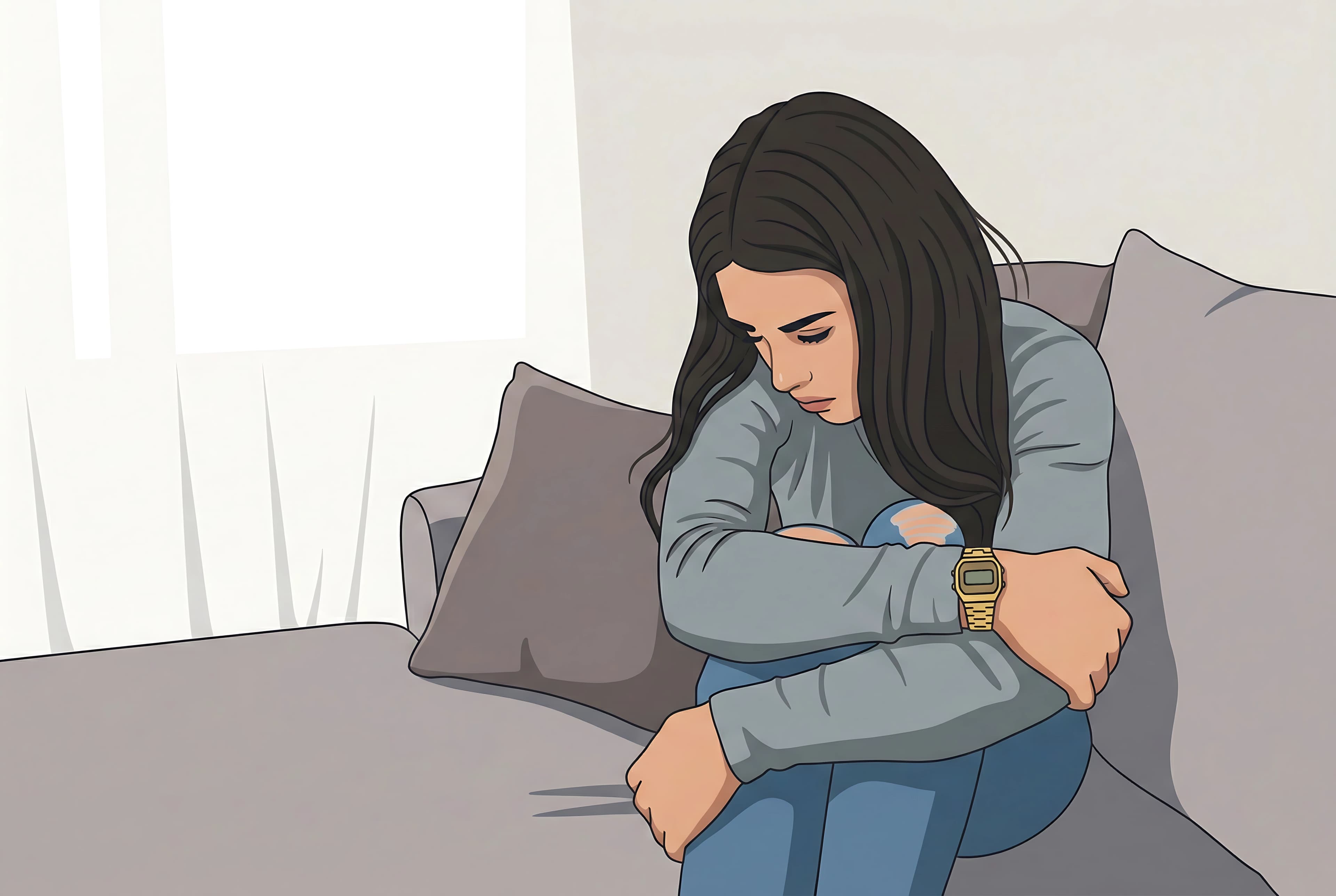

Alcohol and benzodiazepine withdrawal can compound seizure, delirium, and cardiovascular risks. Medically supervised detox helps manage symptom overlap and supports safer stabilization.
- 1Alcohol and benzodiazepine withdrawal both affect the central nervous system and can escalate quickly.
- 2Combined withdrawal risk is often higher than withdrawing from either substance alone.
- 3Medical detox allows continuous monitoring and rapid intervention for severe symptoms.
- 4A structured taper and medication plan can reduce seizure and delirium risk.
- 5Early assessment improves safety and helps people transition into ongoing treatment.
In Huntington Beach, families sometimes realize too late that stopping alcohol and benzodiazepines at the same time is not a routine discomfort issue. What starts as shaking, anxiety, or insomnia can escalate into seizures, severe confusion, or dangerous blood pressure changes within a short window. For people using both substances, withdrawal risk is often less predictable and more intense.
This is why alcohol and benzo withdrawal should be assessed clinically, not managed by guesswork. Medical teams look at both symptom patterns together and adjust care in real time to reduce complications.
Why does combined alcohol and benzo withdrawal carry extra risk?
Alcohol and benzodiazepines both act on the central nervous system, especially through GABA-related pathways that dampen excitatory activity. With ongoing use, the brain adapts to this depressed state. When both substances are reduced or stopped, the nervous system can rebound into overactivation.
In single-substance withdrawal, clinicians already watch closely for seizures, severe agitation, and autonomic instability. In combined withdrawal, those risks can overlap and amplify each other. The challenge is not only severity but timing, because symptoms may emerge in different waves depending on the substances involved.
Compounding risk factors include:
- Daily or high-dose benzodiazepine exposure
- Heavy or prolonged alcohol use
- Prior complicated withdrawals
- Co-occurring medical or psychiatric conditions
- Concurrent use of other sedating substances
These factors are reviewed early so the detox plan can match actual risk rather than assumptions.
What symptoms can overlap and escalate quickly?
Many early symptoms look similar across alcohol and benzodiazepine withdrawal, which can make severity harder to judge without medical assessment.
Common overlapping symptoms include:
- Tremor and autonomic arousal
- Anxiety and panic-like episodes
- Insomnia and disrupted sleep cycles
- Nausea and appetite changes
- Concentration problems and sensory sensitivity
More severe symptoms may include hallucinations, disorientation, seizures, and signs of delirium. The StatPearls summaries on alcohol and benzodiazepine withdrawal note that abrupt discontinuation can be dangerous and requires careful monitoring. Alcohol withdrawal and benzodiazepine withdrawal
How do clinicians assess safety in the first 24 to 72 hours?
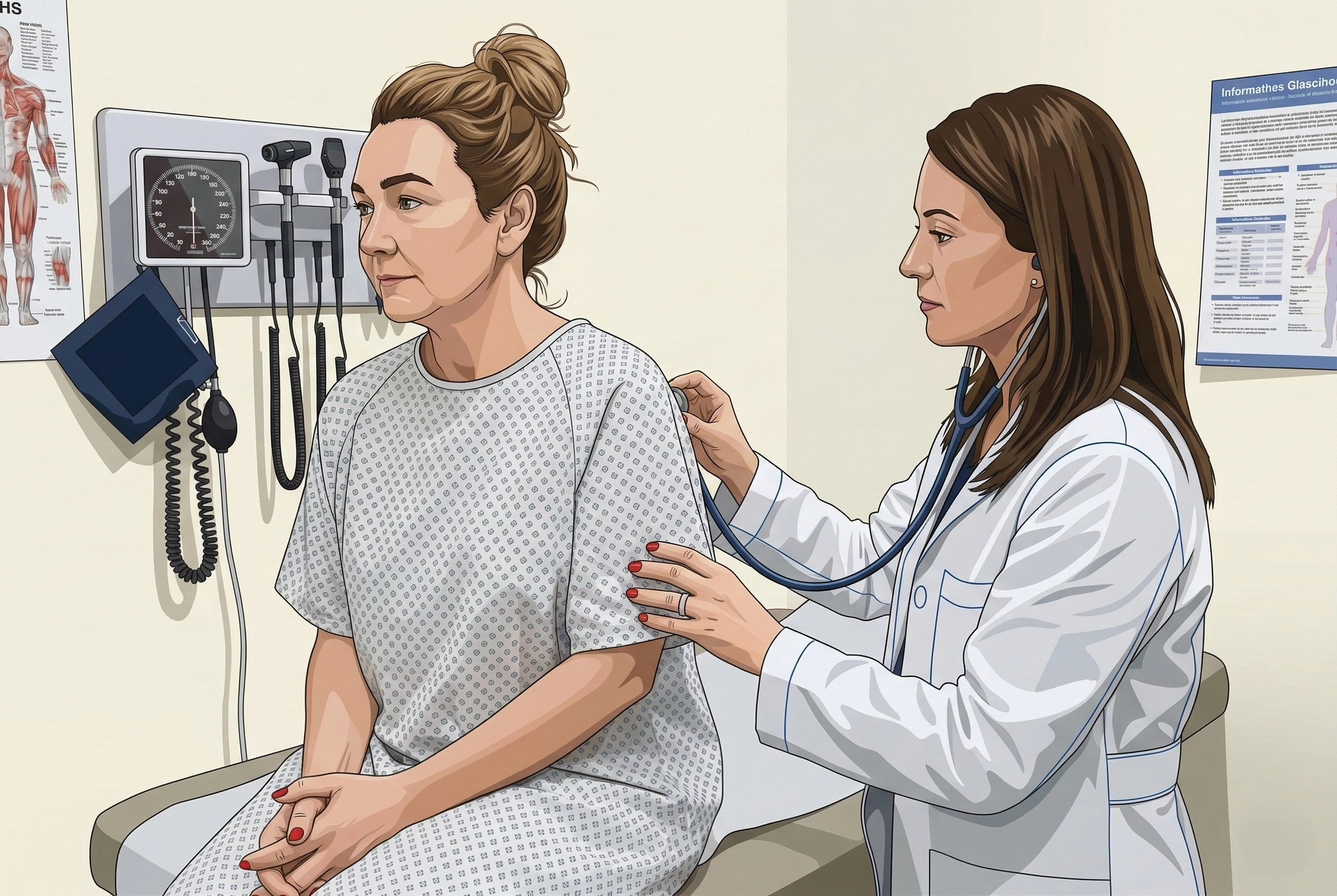
Early detox decisions are based on a structured clinical picture, not only self-reported discomfort. Teams assess vital signs, recent use history, prior withdrawal complications, and current mental status.
Typical early assessment includes:
- Timeline of last alcohol and benzodiazepine use
- Type and dose of benzodiazepine used
- Prior seizure, delirium, or ICU-level withdrawal events
- Current hydration, nutrition, and sleep disruption
- Psychiatric symptoms that may increase risk
Because symptom progression can be rapid, ongoing reassessment is essential. A person who appears stable at intake may need a higher-intensity approach later the same day.
What does medically supervised detox do differently?
Medical detox is designed to reduce avoidable risk while symptoms evolve. Care teams monitor continuously and intervene quickly when warning signs appear.
Key components include:
- 24-hour clinical monitoring during high-risk periods
- Symptom-triggered medication support for withdrawal stabilization
- Individualized taper strategies when benzodiazepine reduction is needed
- Fluids, nutrition, and sleep support to reduce physiologic strain
- Escalation protocols for seizures, delirium, or severe autonomic symptoms
At Surf City Detox, this process is coordinated through detox services so treatment intensity can be matched to current presentation, not fixed to a rigid schedule.
Why is self-detox especially risky with two depressant substances?
At-home withdrawal management is risky even for single substances when severe dependence is present. With alcohol and benzodiazepines together, self-management becomes more dangerous because symptoms can change quickly and unexpectedly.
Specific risks in unsupervised settings include:
- Delayed recognition of seizure or delirium warning signs
- Inconsistent medication use that worsens rebound symptoms
- Dehydration and sleep deprivation that magnify instability
- Lack of immediate response if confusion or hallucinations escalate
NIDA also notes that benzodiazepines in combination with other central nervous system depressants increase overdose and safety risks, underscoring the need for careful clinical oversight. NIDA guidance
How does treatment continue after acute withdrawal stabilizes?
Stabilization is the first phase, not the complete care plan. Once immediate withdrawal risk decreases, ongoing treatment focuses on preventing return to use and addressing the factors that sustained substance use.
For many individuals, the next phase includes:
- Structured therapy for triggers and coping strategies
- Psychiatric follow-up for anxiety, sleep, or mood symptoms
- Medication review for non-sedating support options when appropriate
- Family communication planning and boundary-setting
- Step-down care planning and recovery-support coordination
People with significant alcohol involvement may transition into alcohol addiction treatment as part of the next clinical step. Those with persistent benzodiazepine-related concerns may also need targeted benzodiazepine treatment support.
What questions should families ask before choosing a detox program?
When evaluating options, families should ask direct questions about medical capability and continuity:
- How is combined withdrawal risk assessed at intake?
- Is 24-hour monitoring available during high-risk periods?
- How are taper decisions made for benzodiazepine dependence?
- What is the protocol if seizures or delirium signs emerge?
- How is transition planned after acute detox?
Clear answers help families distinguish clinical detox programs from settings that offer limited monitoring or unclear escalation pathways.
When should you call immediately?
Do not wait for symptoms to "settle down" without help if red flags are present. Immediate evaluation is warranted for seizure-like activity, severe confusion, hallucinations, chest pain, uncontrolled vomiting, or major blood pressure shifts.
Even when symptoms seem moderate, early assessment is safer than delayed escalation. Combined alcohol and benzodiazepine withdrawal can change quickly, and timely treatment improves the odds of stable recovery planning.
How does timing of last use change withdrawal planning?
Withdrawal risk is influenced not only by what substances were used, but also by when they were last used and in what pattern. Alcohol symptoms often emerge within hours, while benzodiazepine withdrawal timing varies based on whether the medication is short- or long-acting. Because of this, someone can appear stable early and deteriorate later as additional withdrawal phases begin.
Clinical teams use timing data to plan monitoring intensity:
- Recent heavy alcohol use may require closer early observation
- High-dose short-acting benzodiazepine use may raise near-term seizure risk
- Long-acting benzodiazepine exposure may require longer monitoring windows
- Irregular mixed use patterns can produce less predictable symptom progression
This is one reason supervised detox remains important even when initial symptoms seem manageable. Ongoing reassessment allows clinicians to adjust medication support and safety precautions before complications escalate.
For families, sharing accurate last-use details, medication names, and dose estimates can significantly improve the first-day treatment plan and reduce avoidable risk.
Why is honest substance history so important at intake?
People sometimes underreport alcohol amounts or benzodiazepine frequency because they feel embarrassed or worry about judgment. In detox settings, inaccurate history can lead to underestimating risk during the highest-risk hours. Sharing realistic dose patterns, last-use timing, and any prior complications gives clinicians the data they need to plan safer monitoring and medication support.
Accurate intake information is a safety tool, not a character assessment, and it directly improves early detox decisions.
Surf City Detox provides medically supervised care for complex withdrawal presentations in Huntington Beach. Call (714) 248-9760 to speak with admissions about current symptoms and detox options, or verify your insurance before intake.
This content is for informational purposes only and does not constitute medical advice. Please consult a qualified healthcare professional for personalized guidance.
Frequently Asked Questions
Why is alcohol and benzo withdrawal considered high risk?
Both alcohol and benzodiazepines depress central nervous system activity, so withdrawal from either can trigger dangerous overexcitation. When both are involved, symptom burden and complication risk can increase. Medical monitoring is important because seizures, confusion, and autonomic instability may emerge quickly.
Can alcohol and benzo withdrawal happen at the same time?
Yes, and concurrent withdrawal is clinically complex. Timing depends on recent use patterns, dose, and the specific benzodiazepine involved. Overlapping symptoms can mask early warning signs, so supervised detox is safer than trying to manage symptoms alone.
What symptoms require immediate medical attention?
Seizure activity, severe confusion, hallucinations, uncontrolled vomiting, chest pain, and major blood pressure changes require urgent evaluation. These signs can indicate escalating withdrawal risk. Prompt medical care helps prevent complications and supports a safer stabilization process.
How is combined alcohol and benzo withdrawal treated?
Treatment usually includes medical monitoring, symptom-triggered medication, fluid and nutritional support, and a carefully managed taper plan. The care team reassesses frequently and adjusts interventions as symptoms evolve. This individualized approach is designed to reduce avoidable risk during detox.
How do I get help at Surf City Detox?
Call Surf City Detox at (714) 248-9760 for a confidential assessment of alcohol and benzodiazepine withdrawal concerns. The admissions team can review symptoms, discuss detox options, and help verify insurance before intake.
Sources & References
This article is based on peer-reviewed research and authoritative medical sources.
- Alcohol Withdrawal Syndrome — NCBI Bookshelf (StatPearls) (2024)
- Benzodiazepine Withdrawal — NCBI Bookshelf (StatPearls) (2024)
- Benzodiazepines and Opioids — NIDA (2022)
Surf City Detox
Surf City Detox Medical Team