Benzo withdrawal symptoms range from anxiety and insomnia to seizures and cognitive disruption. Recognizing what each symptom signals helps people and families know when medical detox is the safest option.
- 1Benzo withdrawal symptoms can include anxiety, insomnia, tremor, sensory sensitivity, and cognitive difficulties.
- 2Seizures are among the most serious risks of benzodiazepine withdrawal, especially with abrupt discontinuation.
- 3Symptom severity depends on the type of benzodiazepine, dose, duration of use, and individual health factors.
- 4Medical detox provides monitoring, gradual tapering, and rapid response to dangerous symptoms.
- 5Recognizing early warning signs allows for safer intervention before symptoms escalate.
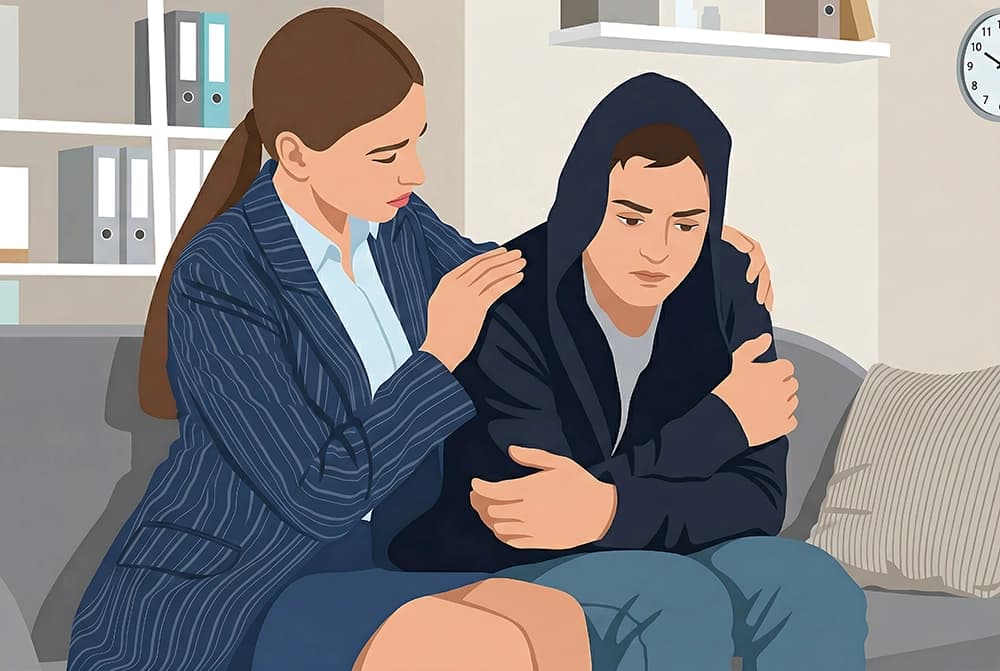
A family member notices their loved one has become increasingly restless, unable to sleep, and unusually sensitive to light and noise — all within days of cutting back on a prescribed benzodiazepine. These changes can look like general stress or a bad week, but for someone with benzodiazepine dependence, they are often the first signs of withdrawal. In Huntington Beach and across Southern California, people encounter these symptoms without recognizing what they mean or understanding how quickly they can escalate. Knowing what benzo withdrawal symptoms look like — and what they signal clinically — helps families make safer decisions earlier in the process.
Benzodiazepine withdrawal occurs because the brain adapts to the presence of the medication over time. When the dose is reduced or stopped, the nervous system responds with a range of symptoms that can vary from mild discomfort to medical emergencies. The StatPearls review on benzodiazepine withdrawal notes that symptoms depend on multiple factors and that abrupt cessation carries significant risk (NCBI Bookshelf).
Why Does Benzo Withdrawal Produce Symptoms?
Benzodiazepines work by enhancing the effect of GABA, the brain's primary inhibitory neurotransmitter. This is what produces the calming, sedating, and anti-anxiety effects that make these medications effective for conditions like anxiety disorders, insomnia, and seizure prevention. Over time, the brain adjusts to this enhanced GABA activity by reducing its own natural GABA production and increasing excitatory activity.
When the benzodiazepine is reduced or removed, the brain is left in a state of relative overexcitation. This imbalance is what produces withdrawal symptoms — essentially, the nervous system is firing faster than it should without the medication's dampening effect. The severity of this imbalance depends on how long the person has been taking benzodiazepines, the dose, and the specific medication's pharmacology.
What Are the Most Common Benzo Withdrawal Symptoms?
Benzo withdrawal symptoms span physical, psychological, and cognitive domains. Understanding each category helps families and individuals recognize what is happening and assess whether the situation requires medical intervention.
Anxiety and Panic
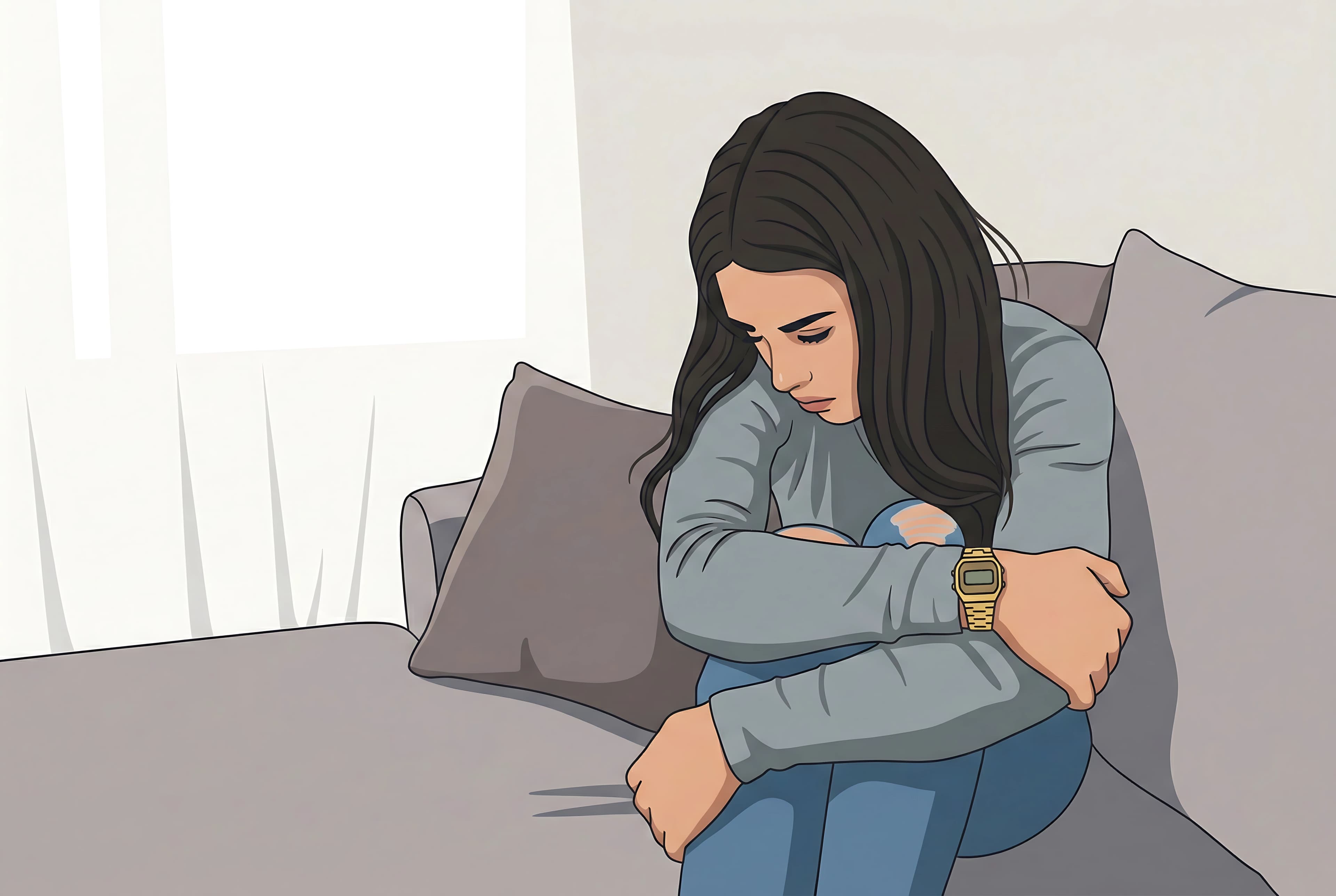
Rebound anxiety is often the earliest and most prominent symptom. It frequently exceeds the level of anxiety the person experienced before starting benzodiazepines. This is not simply the original condition returning — it is a neurochemical overcorrection that produces heightened nervousness, dread, and in some cases, panic attacks. The intensity can be frightening and may feel qualitatively different from the person's baseline anxiety.
Insomnia and Sleep Disruption
Difficulty falling asleep or staying asleep is extremely common during benzodiazepine withdrawal. Some people experience a near-total inability to sleep for days, which compounds other symptoms by impairing cognitive function, emotional regulation, and physical recovery. Sleep disruption often persists longer than other acute symptoms and requires specific clinical attention.
Tremor and Muscle Symptoms
Visible tremor — shaking of the hands, arms, or body — signals increased autonomic nervous system activity. Muscle tension, twitching, and stiffness are also common. These symptoms can range from mildly uncomfortable to functionally impairing, and they serve as clinical markers that help medical teams gauge withdrawal severity.
Sensory Sensitivity
Many people in benzodiazepine withdrawal report heightened sensitivity to light, sound, and touch. Ordinary environmental stimuli that were previously unremarkable can become overwhelming or physically painful. This sensory hyperreactivity reflects the nervous system's overexcited state and can make daily activities difficult to tolerate.
Cognitive Difficulties
Difficulty concentrating, memory problems, and mental fog are reported by many people during and after withdrawal. These symptoms may affect a person's ability to make decisions or complete routine tasks. They typically improve over time but can persist for weeks or longer.
Gastrointestinal Symptoms
Nausea, appetite loss, and digestive changes are common during benzodiazepine withdrawal. While not dangerous on their own, they can contribute to dehydration and nutritional deficiencies if not monitored.
What Are the Serious Warning Signs?
While many benzo withdrawal symptoms are uncomfortable but manageable with medical support, certain symptoms indicate a medical emergency or a significant increase in risk.
Seizures
Seizures are among the most dangerous complications of benzodiazepine withdrawal and can occur during abrupt discontinuation or rapid dose reduction. The NCBI StatPearls review emphasizes that benzodiazepine withdrawal seizures can be life-threatening and that gradual tapering is the recommended approach to minimize this risk (NCBI Bookshelf). Anyone who experiences a seizure or seizure-like activity during withdrawal needs immediate medical evaluation.
Psychotic Symptoms
In severe cases, withdrawal can produce hallucinations, paranoia, or delusional thinking. These symptoms are rare but represent a serious escalation requiring clinical intervention, particularly after abrupt cessation of high-dose or long-term use.
Severe Autonomic Instability
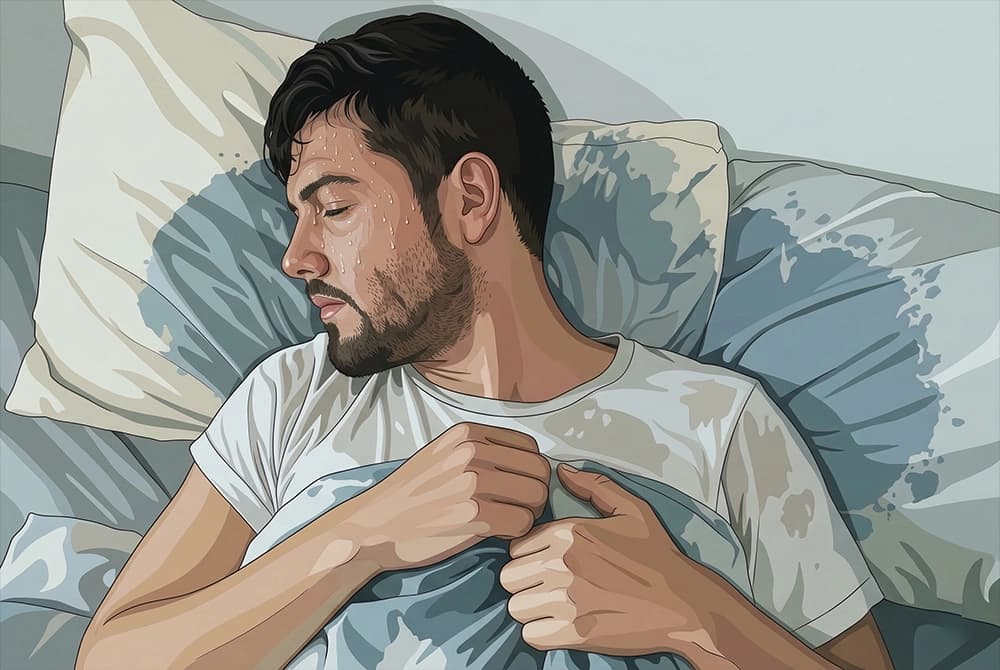
Rapid heart rate, dangerous blood pressure changes, profuse sweating, and fever can indicate severe withdrawal requiring monitored care. Clinical teams use these signs to determine whether a higher level of supervision is needed.
What Factors Affect Symptom Severity?
Not everyone withdrawing from benzodiazepines will experience the same symptoms or the same intensity. Several factors significantly influence the withdrawal course:
- Type of benzodiazepine — Short-acting medications like alprazolam tend to produce earlier, more intense withdrawal, while long-acting medications like diazepam may produce a more gradual onset.
- Dose and duration of use — Higher doses and longer periods of use are associated with more pronounced withdrawal.
- Rate of discontinuation — Abrupt stopping carries the greatest risk; gradual tapering reduces severity.
- Prior withdrawal history — Previous complicated withdrawals increase the likelihood of severe symptoms in subsequent attempts.
- Co-occurring conditions — Underlying anxiety disorders, seizure disorders, or concurrent substance use can amplify withdrawal.
These factors are assessed during a clinical evaluation to determine the safest approach to medical detox and the appropriate pace for dose reduction.

How Does Medical Detox Help Manage Symptoms?
Medical detox for benzodiazepine withdrawal is built around a controlled, gradual taper with continuous monitoring. Rather than stopping the medication abruptly, clinicians reduce the dose in small, calculated steps — often switching to a longer-acting benzodiazepine to create a smoother pharmacological decline.
During this process, the clinical team monitors vital signs, sleep, anxiety levels, cognitive function, and any signs of seizure activity. If symptoms worsen, the team can pause the taper, hold at the current dose, or adjust supportive medications. This flexibility allows the withdrawal process to respond to the person's actual experience rather than follow a rigid schedule.
MedlinePlus notes that withdrawal from benzodiazepines should be gradual and medically supervised, particularly after prolonged use (NIH MedlinePlus).
When Should Families Seek Help?
Recognizing withdrawal symptoms early creates the opportunity for safer intervention. Families should consider seeking a clinical evaluation when they observe:
- Worsening anxiety that does not respond to reassurance or normal coping strategies
- Inability to sleep for two or more consecutive nights
- Visible tremor, shaking, or muscle twitching
- Confusion, disorientation, or difficulty following conversations
- Statements about seeing or hearing things that are not there
- Any seizure-like activity, even if brief
NIDA highlights that combining benzodiazepines with other substances, particularly opioids, increases the risk of severe withdrawal complications and overdose (NIDA). If the person has been using multiple substances, the urgency for medical evaluation increases.
What Comes After Withdrawal Symptom Management?
Managing acute withdrawal symptoms is the first phase, but it is not the entire treatment. After the taper is complete and symptoms have stabilized, the person may benefit from ongoing care that addresses the reasons benzodiazepines became a dependence issue.
This often includes therapy for underlying anxiety or trauma, medication evaluation for non-addictive alternatives, and planning for long-term stability. At Surf City Detox, the clinical team coordinates with residential care and outpatient referrals to ensure continuity. For people whose benzodiazepine use is part of a broader pattern, benzodiazepine-specific treatment can provide targeted support beyond the detox phase.
Getting Support in Huntington Beach
Benzo withdrawal symptoms can be unsettling and, in some cases, dangerous. The safest approach is a medical evaluation that determines the right level of care based on your specific medication history, symptom presentation, and risk factors.
Surf City Detox in Huntington Beach provides medically supervised benzodiazepine detox with individualized tapering, daily monitoring, and clinical support. If you or someone you care about is experiencing withdrawal symptoms or considering stopping benzodiazepines, call (714) 248-9760 to speak with an admissions counselor, or verify your insurance to take the first step toward safer care.
This content is for informational purposes only and does not constitute medical advice. Please consult a qualified healthcare professional for personalized guidance.
Frequently Asked Questions
What are the most common benzo withdrawal symptoms?
The most common symptoms include heightened anxiety, insomnia, irritability, tremor, sweating, muscle tension, and difficulty concentrating. Some people also experience sensory sensitivity to light and sound. These symptoms reflect the nervous system readjusting after prolonged benzodiazepine exposure.
How long do benzo withdrawal symptoms last?
Acute symptoms may last one to four weeks depending on the specific benzodiazepine, dosage, and duration of use. Some people experience protracted withdrawal symptoms — including sleep disruption, anxiety, and cognitive fog — that can persist for months. Gradual tapering under medical supervision reduces duration and severity.
Are benzo withdrawal symptoms dangerous?
They can be. Abrupt discontinuation of benzodiazepines can trigger seizures, severe confusion, and psychosis, particularly after long-term or high-dose use. Medical detox provides the monitoring needed to detect escalation early and intervene before symptoms become life-threatening.
Can you manage benzo withdrawal at home?
Home management is not recommended for people who have used benzodiazepines daily for extended periods or at high doses. The risk of seizures and severe rebound symptoms makes medical oversight essential. A clinical evaluation can determine whether outpatient monitoring or supervised detox is appropriate.
When should I call for help with benzo withdrawal?
If you or a loved one is experiencing worsening anxiety, tremor, confusion, sleep deprivation, or any seizure-like activity after reducing or stopping benzodiazepines, seek medical evaluation promptly. Call Surf City Detox at (714) 248-9760 to discuss your situation and available options.
Sources & References
This article is based on peer-reviewed research and authoritative medical sources.
- Benzodiazepine Withdrawal — NCBI Bookshelf (StatPearls) (2024)
- Benzodiazepines and Opioids — National Institute on Drug Abuse (NIDA) (2022)
- Chlordiazepoxide: MedlinePlus Drug Information — NIH MedlinePlus (2021)
Surf City Detox
Surf City Detox Medical Team