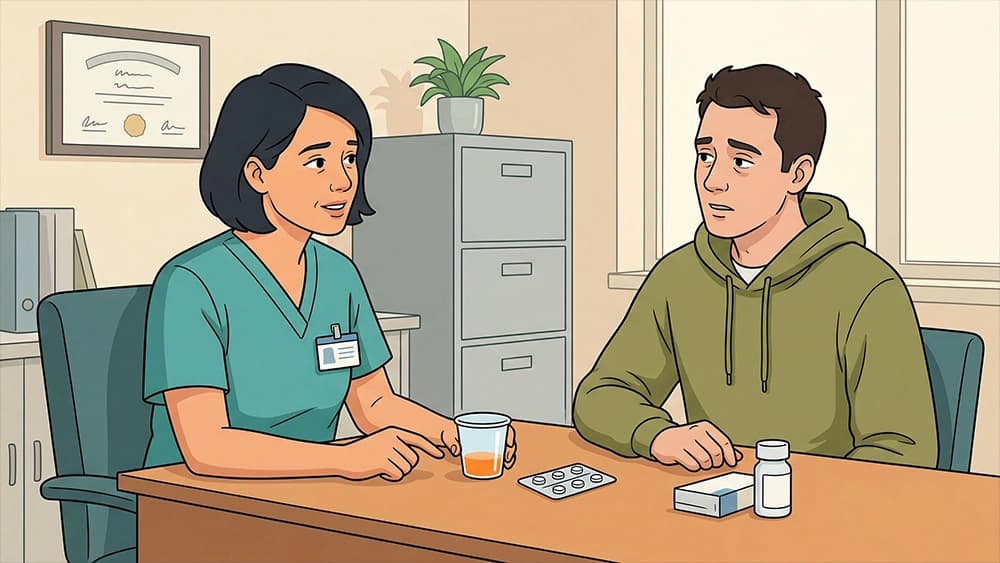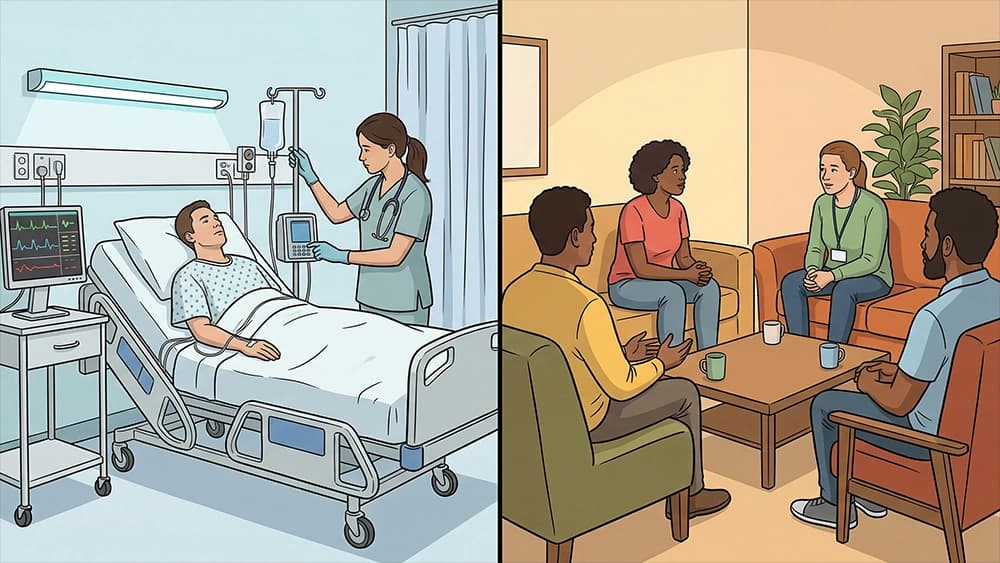

Polysubstance detox involves withdrawing from more than one substance at the same time, which requires individualized medical planning because overlapping withdrawal timelines and compounded risks make a one-size-fits-all approach unsafe.
- 1Polysubstance withdrawal is more complex than single-substance withdrawal because symptoms can overlap, compound, and require different medications.
- 2Alcohol and benzodiazepine withdrawal both carry seizure risk, and co-occurring opioid withdrawal adds further clinical complexity.
- 3Medical detox provides 24-hour monitoring, structured medication management, and the flexibility to adjust treatment as withdrawal patterns unfold.
- 4Fentanyl contamination in the drug supply means many people are withdrawing from substances they did not knowingly use.
- 5A safe polysubstance detox plan prioritizes the most medically dangerous withdrawal first while managing all symptoms concurrently.
When someone is using more than one substance, withdrawal does not follow a single predictable path. Polysubstance detox requires a medical team to assess each substance involved, anticipate how different withdrawal patterns may overlap, and build a plan that can adapt as symptoms emerge. That complexity is exactly why individualized planning matters.
At Surf City Detox in Huntington Beach, the clinical team regularly works with patients who are withdrawing from combinations of opioids, benzodiazepines, alcohol, and stimulants. The goal is not to treat each substance in isolation but to manage the full clinical picture safely, with monitoring and medication adjustments that respond to what is actually happening hour by hour.

What Makes Polysubstance Withdrawal Different?
Single-substance withdrawal has a fairly well-documented timeline. Opioid withdrawal tends to peak within a few days. Benzodiazepine withdrawal often unfolds over weeks. Alcohol withdrawal can become medically dangerous within the first 48 to 72 hours. When two or more of these processes happen at the same time, the body is managing multiple physiological disruptions at once.
According to StatPearls, withdrawal symptoms range from mild discomfort to severe, life-threatening conditions, and hospitalized patients frequently present with multiple substances on board (NCBI Bookshelf). The clinical challenge is that overlapping symptoms can make it harder to determine which substance is driving a particular reaction and how aggressively to intervene.
Common polysubstance combinations that complicate withdrawal include:
- Opioids and benzodiazepines: Both cause physical dependence, and their withdrawal symptoms can overlap. The National Institute on Drug Abuse notes that combining opioids with benzodiazepines increases the risk of life-threatening overdose because both suppress breathing (NIDA).
- Opioids and alcohol: Concurrent withdrawal requires clinicians to prioritize alcohol withdrawal complications while simultaneously managing opioid withdrawal symptoms (The Mental Health Clinician).
- Opioids and stimulants: While stimulant withdrawal is typically less medically dangerous, it can intensify fatigue, depression, and cravings during opioid withdrawal.
- Alcohol and benzodiazepines: Both act on the GABA system, and combined withdrawal significantly raises seizure risk.
Why Does a Safe Plan Start with Assessment?
A polysubstance detox plan cannot follow a standard protocol because no two patients present the same combination of substances, doses, durations, and health conditions. The plan has to begin with a thorough clinical assessment.
During intake, the medical team evaluates:
- Which substances are involved and approximate timing of last use for each
- Dose levels and duration of use to estimate withdrawal severity
- History of prior withdrawal episodes, including any complications such as seizures
- Co-occurring medical conditions such as liver disease, cardiovascular issues, or chronic pain
- Mental health conditions including anxiety, depression, or trauma history
- Recent fentanyl exposure, which can alter opioid withdrawal onset and intensity
The World Health Organization's withdrawal management guidelines emphasize that assessment shapes pacing and that supervised settings with 24-hour healthcare availability are important for complex presentations (WHO / NCBI).
This initial snapshot determines which withdrawal carries the highest immediate risk and where to focus clinical attention first.
How Do Clinicians Prioritize When Multiple Withdrawals Overlap?
Not all withdrawal syndromes carry the same medical urgency. When multiple substances are involved, the team prioritizes based on risk to patient safety.
Alcohol and benzodiazepine withdrawal come first
Alcohol and benzodiazepine withdrawal can both cause seizures, and in severe cases, delirium tremens or status epilepticus. These are the most medically dangerous withdrawal syndromes and require immediate intervention. When either is present alongside opioid withdrawal, clinicians address the seizure risk first while concurrently managing opioid symptoms.
A 2023 review in The Mental Health Clinician recommends that for patients with concurrent alcohol and opioid withdrawal, clinicians should prioritize prevention of life-threatening alcohol withdrawal complications while simultaneously stabilizing opioid use disorder with medications such as buprenorphine or methadone (Mental Health Clinician).
Opioid withdrawal is managed alongside, not after
One common misconception is that opioid withdrawal should wait until other substances are stabilized. In practice, leaving opioid withdrawal untreated increases discomfort, cravings, and the risk of patients leaving care early. Medical teams can manage opioid symptoms concurrently using appropriate medications, with close monitoring when benzodiazepines are also being administered.
Stimulant withdrawal is monitored for mood and safety
Stimulant withdrawal from substances like methamphetamine or cocaine does not typically require medication intervention, but it can cause severe fatigue, depression, irritability, and intense cravings. In a polysubstance context, these mood symptoms can compound the distress of opioid or benzodiazepine withdrawal and need to be tracked carefully.
What Does Day-to-Day Monitoring Look Like?
A medical detox program for polysubstance withdrawal involves structured monitoring that goes well beyond daily check-ins. Because the withdrawal landscape can shift quickly when multiple substances are clearing the system, staff track several clinical markers throughout the day.
- Vital signs including blood pressure, heart rate, temperature, and respiratory rate, assessed multiple times daily
- Withdrawal severity scales for each substance category, updated regularly
- Sleep quality and duration, which affects how well someone tolerates the withdrawal process
- Hydration and nutrition intake, especially important when nausea, vomiting, or diarrhea are present
- Mood, anxiety, and agitation levels, which guide both medication adjustments and therapeutic support
- Pain assessment, particularly for patients withdrawing from opioids alongside other substances
This continuous data collection allows the medical team to make real-time adjustments. If benzodiazepine taper symptoms escalate while opioid withdrawal is still active, clinicians can hold the taper and adjust supportive medications without guessing.
How Does Fentanyl Contamination Change the Plan?
The current drug supply has made polysubstance detox more unpredictable. Many people are exposed to fentanyl or other synthetic opioids without knowing it, meaning they may present with opioid withdrawal even if they did not intentionally use opioids. NIDA data show that overdose deaths increasingly involve combinations of synthetic opioids with stimulants and other substances (NIDA).
Fentanyl changes the detox equation in several ways:
- Withdrawal onset may differ from what is expected with heroin or prescription opioids, depending on the fentanyl analog involved
- Precipitated withdrawal is a risk if buprenorphine is started too early, requiring careful timing
- Urine drug screens may not detect all synthetic opioid analogs, so clinical observation matters as much as lab results
- Patients may not know their full substance exposure, making the assessment conversation and close monitoring even more critical
For patients with known or suspected fentanyl exposure alongside benzodiazepine or alcohol use, the medical team uses a cautious approach with conservative medication dosing and frequent reassessment. This overlaps with concerns addressed in benzodiazepine addiction treatment and broader detox protocols.
What Medications Are Used in Polysubstance Detox?
Medication management in polysubstance detox is not about a single protocol. The clinical team selects medications based on which withdrawals are active and how they interact. Common approaches include:
- Benzodiazepines (such as lorazepam or chlordiazepoxide) for alcohol withdrawal and severe anxiety, with careful dosing when opioid agonists are also being used
- Buprenorphine or methadone for opioid withdrawal stabilization, with conservative initial dosing when combined with other sedating medications
- Clonidine for autonomic symptoms like elevated heart rate, sweating, and agitation across multiple withdrawal types
- Antiemetics and antidiarrheals for gastrointestinal symptoms common in opioid withdrawal
- Non-addictive sleep support to manage the insomnia that accompanies most withdrawal syndromes
- Gradual benzodiazepine taper for patients with benzodiazepine dependence, paced based on daily symptom assessment
The key clinical principle is that medication adjustments happen in response to real-time symptom data, not on a fixed schedule. What works on day one may need modification by day three as different withdrawal timelines converge and diverge.
Why Is Residential Support Often Recommended After Polysubstance Detox?
Polysubstance withdrawal typically takes longer to stabilize than single-substance withdrawal, and the risk of relapse is higher when multiple substances are involved. After acute withdrawal symptoms settle, many patients benefit from stepping into a residential treatment program where they can continue building stability.
Residential care after polysubstance detox provides:
- Continued medical monitoring as lingering withdrawal symptoms resolve, particularly from benzodiazepines
- Structured daily routines that help rebuild sleep, nutrition, and daily functioning
- Therapeutic support for the anxiety, depression, and trauma that frequently co-occur with polysubstance use
- Relapse prevention planning that addresses multiple substance triggers, not just one
- Medication management continuity for patients on buprenorphine, naltrexone, or other stabilizing medications
The WHO guidelines note that withdrawal management alone is unlikely to produce sustained abstinence and that psychosocial treatment following detox is essential (WHO / NCBI). For people who have been using multiple substances, this follow-up support is especially important because the relapse pathways are more numerous and the early recovery period is more fragile.
What Should Families Know About Polysubstance Detox?
Families often do not realize that their loved one has been using more than one substance. The conversation at admission can be surprising, and it is important for families to understand what the detox process involves.
A few things that help:
- The timeline is not fixed. Polysubstance detox may take longer than expected because the team is managing multiple withdrawal patterns carefully rather than rushing the process.
- Symptom fluctuation is normal. A person may seem to improve and then have a harder day. This is especially common when benzodiazepine withdrawal overlaps with opioid recovery.
- Communication with the treatment team matters. Families who stay in contact with clinical staff can better understand what is happening and how to support the next step.
- Detox is the beginning, not the end. Planning for what comes after detox, whether residential treatment, outpatient therapy, or medication management, is part of the admission conversation.
Getting Help in Huntington Beach
If you or someone you care about is using more than one substance, the safest path forward is a clinical assessment that looks at the full picture. Surf City Detox in Huntington Beach provides medically supervised polysubstance detox with individualized treatment planning, 24-hour monitoring, and a team that adjusts care as withdrawal patterns unfold.
Call (714) 248-9760 to speak with an admissions counselor, or verify your insurance coverage to start reviewing your options today.
This content is for informational purposes only and does not constitute medical advice. Please consult a qualified healthcare professional for personalized guidance.
Frequently Asked Questions
What is polysubstance detox and why is it different?
Polysubstance detox is medically supervised withdrawal from two or more substances at the same time. It is different because each substance produces its own withdrawal pattern, and those patterns can overlap or intensify each other, requiring closer monitoring and individualized medication planning.
How long does detox for multiple substances take?
The timeline depends on which substances are involved, how long they were used, and individual health factors. Opioid withdrawal may peak within days, while benzodiazepine withdrawal can extend for weeks. A medical team adjusts the plan based on how each withdrawal progresses.
Can you withdraw from opioids and benzodiazepines at the same time?
Yes, but it requires careful medical oversight. Both substances cause physical dependence, and their withdrawal symptoms can overlap. Clinicians typically stabilize opioid withdrawal while carefully tapering benzodiazepines to reduce seizure risk and respiratory complications.
Is polysubstance withdrawal more dangerous than single-substance withdrawal?
It can be. Combining withdrawals increases the chance of complications like seizures, severe dehydration, or cardiovascular instability. Medical supervision is especially important when alcohol or benzodiazepines are involved alongside opioids or stimulants.
Where can I get help for polysubstance detox in Huntington Beach?
Surf City Detox in Huntington Beach provides medically supervised polysubstance detox with individualized treatment planning. Call (714) 248-9760 to speak with an admissions counselor about your situation and available options.
Sources & References
This article is based on peer-reviewed research and authoritative medical sources.
- Withdrawal Syndromes — StatPearls / NCBI Bookshelf (2024)
- Clinical Guidelines for Withdrawal Management and Treatment of Drug Dependence in Closed Settings — World Health Organization / NCBI Bookshelf (2009)
- Concurrent Opioid and Alcohol Withdrawal Management — The Mental Health Clinician (2023)
- Benzodiazepines and Opioids — National Institute on Drug Abuse (2022)
- Drug Overdose Death Rates — National Institute on Drug Abuse (2024)
Surf City Detox
Surf City Detox Medical Team