
Three FDA-approved medications treat opioid use disorder: buprenorphine (Suboxone) is a partial agonist that reduces cravings without producing a high, methadone is a full agonist used in supervised settings, and naltrexone blocks opioid effects entirely. These medications reduce overdose death rates by over 50 percent and are not replacing one addiction with another.
- 1Buprenorphine (Suboxone) is a partial opioid agonist that reduces cravings and withdrawal without producing euphoria
- 2Methadone is a full agonist used in closely supervised settings for severe opioid dependence
- 3Naltrexone (Vivitrol) is an opioid antagonist that blocks opioid effects and is used after detox is complete
- 4Medication-assisted treatment reduces opioid overdose deaths by more than 50 percent according to WHO and NIDA research
- 5Suboxone induction timing is critical, especially with fentanyl, and must be managed by experienced medical staff
Medication-assisted treatment for opioid addiction is one of the most effective, most researched, and most misunderstood tools in addiction medicine. If you or someone you love is struggling with opioid dependence, whether from prescription painkillers, heroin, or fentanyl, understanding how these medications work can be the difference between a safe recovery and a deadly relapse.
At Surf City Detox, our physicians use FDA-approved medications every day to help people through opioid withdrawal safely and with far less suffering than going cold turkey. Here is what you need to know about the three main medications, how they work, and why the stigma around them is dangerously wrong.
What Is Medication-Assisted Treatment for Opioids?
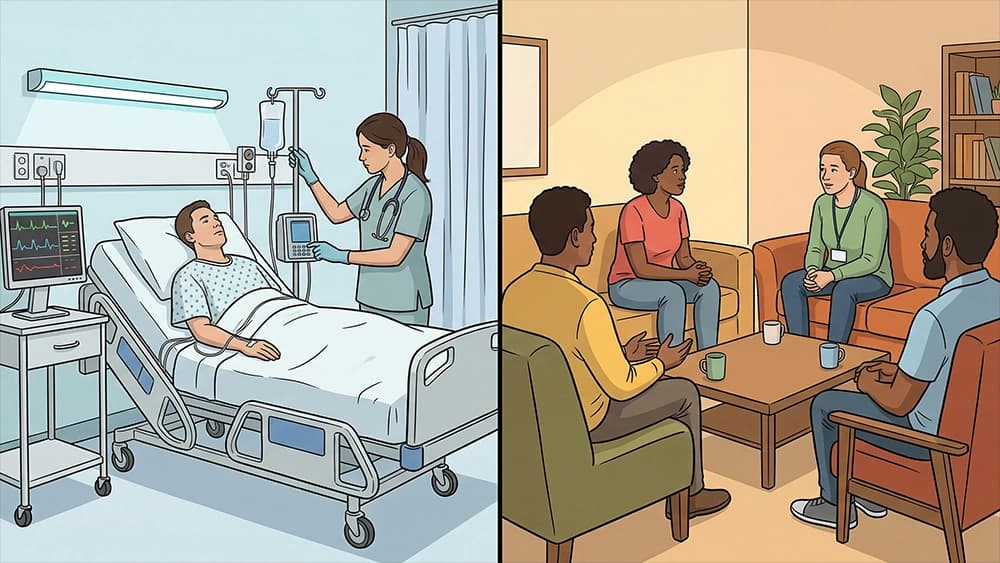
Medication-assisted treatment (MAT) combines FDA-approved medications with counseling and behavioral therapy to treat opioid use disorder. The medications work on the same opioid receptors in the brain that drugs like heroin and fentanyl target, but they do so in controlled, medically supervised ways that reduce cravings, ease withdrawal, and prevent overdose.
There are three FDA-approved medications for opioid use disorder:
- Buprenorphine (brand names Suboxone, Subutex, Sublocade) — a partial opioid agonist
- Methadone — a full opioid agonist
- Naltrexone (brand names Vivitrol, ReVia) — an opioid antagonist
Each works through a different mechanism, and which one is right depends on where someone is in their recovery. Understanding the differences is critical for making informed treatment decisions.
How Buprenorphine (Suboxone) Works
Buprenorphine is the most commonly used medication in opioid detox settings and the one you are most likely to encounter at a treatment center like Surf City Detox. It is a partial opioid agonist, which means it activates the opioid receptors in your brain but only partially — enough to reduce cravings and prevent withdrawal symptoms, but not enough to produce the intense euphoria and dangerous respiratory depression of full opioids.
Think of it this way: if heroin or fentanyl flips the opioid receptor switch all the way on, buprenorphine turns it to about 30 to 40 percent. That is enough to keep you comfortable and stop the desperate need to use, but not enough to get you high.
Buprenorphine also has a ceiling effect. After a certain dose, taking more does not increase the opioid effect. This built-in safety mechanism makes overdose on buprenorphine alone extremely difficult, which is a major advantage over methadone.
Suboxone vs. Subutex
Suboxone combines buprenorphine with naloxone, an opioid antagonist. The naloxone component is included as an abuse deterrent. If someone takes Suboxone as prescribed (dissolved under the tongue), the naloxone has minimal effect. But if someone tries to inject Suboxone to get high, the naloxone activates and throws them into immediate withdrawal.
Subutex contains only buprenorphine without the naloxone component. It is sometimes used during pregnancy or in cases where a patient cannot tolerate the combination product.
The Suboxone Induction Process
Starting Suboxone is not as simple as taking a pill. The timing of the first dose is critical, and getting it wrong can cause precipitated withdrawal, a sudden and severe onset of withdrawal symptoms that is far worse than natural withdrawal.
Here is why timing matters: buprenorphine has a very high affinity for opioid receptors. When you take your first dose, it rushes to those receptors and displaces whatever opioid is currently sitting there. If there is still a significant amount of heroin, fentanyl, or another opioid bound to your receptors, buprenorphine knocks it off and replaces it with its weaker partial effect. The result is an immediate and dramatic drop in opioid receptor activation, which your body experiences as sudden, intense withdrawal.
To avoid this, you must be in mild to moderate withdrawal before starting Suboxone. Your medical team will use the Clinical Opiate Withdrawal Scale (COWS) to objectively measure your withdrawal severity and determine when it is safe to begin.
Why Fentanyl Makes Induction Harder
Fentanyl has made Suboxone induction significantly more challenging. Unlike heroin, which clears the body relatively quickly, fentanyl is highly lipophilic — it dissolves into body fat and releases slowly over days. This means fentanyl can continue occupying opioid receptors long after the last use, sometimes for 48 to 72 hours or longer.
Patients coming off fentanyl often need to wait longer before starting Suboxone compared to those detoxing from heroin or prescription opioids. Some medical teams use a micro-dosing protocol (sometimes called the Bernese method), where very small doses of buprenorphine are introduced gradually while the patient still has some fentanyl in their system. This approach can reduce the window of discomfort, though it requires careful medical oversight.
How Methadone Works
Methadone is a full opioid agonist, meaning it fully activates opioid receptors just like heroin or fentanyl. The critical difference is that methadone is long-acting, producing effects that last 24 to 36 hours compared to the short burst of heroin or the unpredictable duration of fentanyl.
Because methadone fully activates opioid receptors, it eliminates withdrawal symptoms and cravings completely when dosed correctly. However, it also carries a real risk of overdose, respiratory depression, and misuse. This is why methadone for opioid use disorder can only be dispensed through SAMHSA-certified Opioid Treatment Programs (OTPs), where patients typically receive their dose daily under direct observation.
Methadone in Detox vs. Maintenance
In a detox setting, methadone may be used for short-term stabilization and then gradually tapered over days to weeks. In maintenance treatment, patients may take methadone for months or years as a long-term strategy to prevent relapse and overdose.
Methadone maintenance is one of the most studied addiction treatments in existence. Research spanning decades shows it dramatically reduces illicit opioid use, overdose deaths, criminal activity, and transmission of infectious diseases like HIV and hepatitis C.
How Naltrexone (Vivitrol) Works
Naltrexone takes a completely different approach from buprenorphine and methadone. It is an opioid antagonist, meaning it blocks opioid receptors entirely rather than activating them. If someone takes opioids while on naltrexone, they will feel little to no effect because the receptors are already occupied.
Naltrexone is available as a daily oral tablet (ReVia) or as a monthly injection (Vivitrol). The injectable form is generally preferred because it eliminates the need for daily adherence and cannot be easily skipped when cravings hit.
Why Naltrexone Is Not Used During Detox
There is an important distinction: naltrexone cannot be started until detox is complete. Because it blocks opioid receptors, giving naltrexone to someone who still has opioids in their system will trigger immediate and severe precipitated withdrawal. Patients must be opioid-free for 7 to 10 days before starting naltrexone.
This makes naltrexone a post-detox and relapse prevention tool rather than a detox medication. It is most commonly started during or after residential treatment and continued on an outpatient basis.
Addressing the "Replacing One Drug With Another" Myth
This is the single most damaging misconception about medication-assisted treatment. The idea that taking Suboxone or methadone is just "trading one addiction for another" has kept countless people from accepting treatment that could save their lives.
Here is the medical reality: opioid use disorder changes brain chemistry. Chronic opioid use alters the structure and function of neural circuits involved in reward, motivation, and decision-making. These changes do not reverse overnight. MAT medications stabilize brain chemistry, allowing people to think clearly, hold jobs, care for their families, and engage in the therapeutic work that leads to lasting recovery.
The numbers are unambiguous:
- MAT reduces opioid overdose deaths by more than 50 percent according to the National Academies of Sciences
- Patients on buprenorphine or methadone are significantly more likely to remain in treatment compared to those receiving no medication
- Stopping MAT prematurely dramatically increases the risk of relapse and fatal overdose because tolerance drops during treatment
Refusing medication-assisted treatment on philosophical grounds is not a neutral decision. It is a decision that increases the chance of death. That is not an opinion. It is what the data shows.
Comfort Medications Used Alongside MAT
While buprenorphine or methadone addresses the core opioid withdrawal, your medical team will likely prescribe additional comfort medications to manage specific symptoms:
- Clonidine — Originally a blood pressure medication, clonidine is highly effective for managing the anxiety, agitation, sweating, and racing heart that accompany opioid withdrawal
- Ondansetron (Zofran) — Anti-nausea medication to control the vomiting and stomach distress common in early withdrawal
- Loperamide (Imodium) — For the severe diarrhea that is one of the most uncomfortable withdrawal symptoms
- Trazodone or hydroxyzine — Sleep aids to address the profound insomnia of opioid withdrawal without using addictive sedatives
- Ibuprofen or acetaminophen — For the muscle aches, bone pain, and headaches that feel like an amplified flu
- Dicyclomine (Bentyl) — For the painful abdominal cramping that many patients experience
These supportive medications make a significant difference in comfort levels during detox. At Surf City Detox, our nursing staff monitors symptoms around the clock and adjusts medications in real time to keep you as comfortable as possible.
Opioid Detox at Surf City Detox
At Surf City Detox in Huntington Beach, California, we specialize in medically supervised opioid detox using the full range of FDA-approved medications. Our approach includes:
- Individualized medication protocols — Your treatment team evaluates your specific opioid use history, the substances involved, and your medical background to determine the safest and most effective medication plan
- 24/7 medical monitoring — Physicians and nurses are on-site around the clock to manage your comfort and respond to any complications
- Safe Suboxone induction — Our medical team has extensive experience with buprenorphine induction, including micro-dosing protocols for patients coming off fentanyl
- Seamless transition to residential treatment — If you need continued care after detox, MAT can continue into our residential program so there is no gap in treatment
- Holistic support — In addition to medications, we provide nutritional support, rest, and a comfortable environment designed to promote healing
Opioid dependence is a medical condition. It develops through changes in brain chemistry that you did not choose and cannot simply will away. Medication-assisted treatment works with your biology, not against it, to give your brain the stability it needs to heal.
Take the First Step Toward Freedom From Opioids
If you are caught in the cycle of opioid dependence, whether from prescription painkillers, heroin, or fentanyl, you do not have to white-knuckle your way through withdrawal. Safe, effective, evidence-based treatment is available right now.
Call Surf City Detox at (714) 248-9760 for a confidential assessment. Our team is available 24/7, we accept most insurance plans, and we can often begin the intake process the same day you call.
Recovery starts with getting through withdrawal safely. Let us help you do that.
This article is for informational purposes only and does not constitute medical advice. Always consult with a healthcare provider for personalized recommendations regarding opioid detox and medication-assisted treatment.
Frequently Asked Questions
Is Suboxone just replacing one drug with another?
No. Suboxone contains buprenorphine, a partial opioid agonist that activates receptors just enough to reduce cravings and withdrawal without producing the euphoria or dangerous respiratory depression of full opioids. Research shows medication-assisted treatment reduces overdose deaths by over 50 percent and helps people stabilize their lives.
How long does opioid detox take with medication?
Medically assisted opioid detox typically takes 5 to 10 days depending on the substance, dose, and duration of use. Fentanyl detox often takes longer because the drug accumulates in body fat. After acute detox, medication-assisted treatment may continue into residential care for ongoing stabilization.
What is the difference between Suboxone and methadone?
Suboxone contains buprenorphine, a partial opioid agonist with a ceiling effect that limits overdose risk. Methadone is a full opioid agonist that requires daily supervised dosing at certified clinics. Both reduce cravings and withdrawal, but Suboxone can be prescribed in more clinical settings and has a stronger safety profile.
Why does Suboxone induction timing matter with fentanyl?
Starting Suboxone too early while fentanyl is still in your system can trigger precipitated withdrawal, a sudden onset of severe withdrawal symptoms. Because fentanyl stores in body fat and leaves the system slowly, patients often need to wait 48 to 72 hours or longer. Medical teams use standardized scales to determine the safe time to begin.
How can I start medication-assisted opioid detox?
Call Surf City Detox at (714) 248-9760 for a confidential assessment. Our medical team provides 24/7 supervised opioid detox using FDA-approved medications including Suboxone. We accept most insurance and can often begin the intake process the same day you call.
Sources & References
This article is based on peer-reviewed research and authoritative medical sources.
- Medications for Opioid Use Disorder Save Lives — National Academies of Sciences, Engineering, and Medicine (2019)
- Information about Medication-Assisted Treatment (MAT) — U.S. Food and Drug Administration (2024)
- Buprenorphine — Substance Abuse and Mental Health Services Administration (SAMHSA) (2024)
- Methadone — National Institute on Drug Abuse (NIDA) (2024)
- Clinical Guidelines for the Use of Buprenorphine in the Treatment of Opioid Addiction — SAMHSA Treatment Improvement Protocol (TIP) Series (2004)
- WHO Guidelines for the Psychosocially Assisted Pharmacological Treatment of Opioid Dependence — World Health Organization (2009)
Surf City Detox
Surf City Detox Medical Team