Medical detox provides 24/7 supervised withdrawal management with medications like Suboxone for opioids and benzodiazepine tapers for alcohol. Timelines vary by substance: alcohol (3-7 days), opioids (5-10 days), and benzos (7-14+ days). Professional detox prevents dangerous complications like seizures and ensures a safe transition to ongoing treatment.
- 1Medical detox provides round-the-clock monitoring and medication to manage withdrawal safely
- 2Alcohol and benzodiazepine withdrawal can cause fatal seizures without medical supervision
- 3Detox timelines vary: alcohol takes 3-7 days, opioids 5-10 days, and benzos 7-14+ days
- 4Modern medications significantly reduce withdrawal discomfort and cravings
- 5Transitioning directly to residential treatment prevents dangerous gaps in care
Medical detox is often the first and most critical step in addiction recovery. For many people, the fear of withdrawal symptoms is what keeps them trapped in the cycle of substance use. The good news is that modern medical detox has transformed what was once a painful and dangerous process into a manageable experience with proper care and medication support.
At Surf City Detox, we understand that taking this step requires courage. Here is everything you need to know about what medical detox involves and why professional supervision makes all the difference.
What Is Medical Detox?
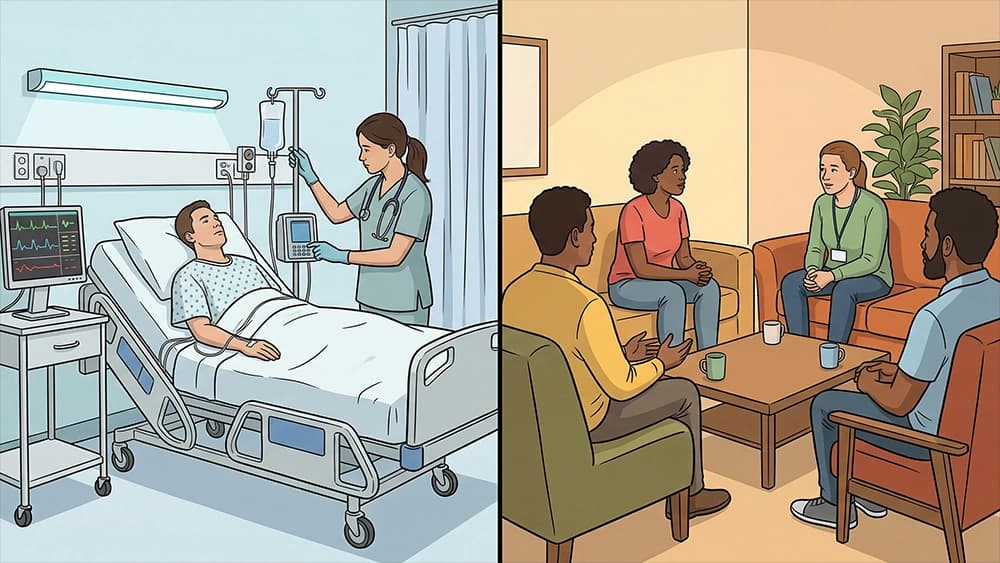
Medical detox is the process of safely clearing drugs or alcohol from your body under the care of trained medical professionals. Unlike attempting to quit on your own, medical detox provides 24/7 monitoring, access to medications that ease withdrawal symptoms, and immediate intervention if complications arise.
The goal is not just to help you stop using substances. It is to do so in a way that minimizes discomfort, prevents dangerous complications, and sets the foundation for ongoing treatment. Detox addresses the physical dependence on substances, while the therapy and treatment that follows addresses the psychological and behavioral aspects of addiction.
When you try to detox at home, you face withdrawal symptoms alone with no access to the medications that can significantly reduce your suffering. Medical detox changes that equation entirely.
What Happens in the First 24 Hours?
The intake process begins with a comprehensive medical assessment. Your care team will evaluate your physical health, substance use history, mental health status, and any co-occurring conditions that may affect your treatment.
During this initial assessment, you can expect:
- Vital signs monitoring including blood pressure, heart rate, temperature, and oxygen levels
- Blood work and lab tests to check liver function, kidney function, and overall health
- Medical history review to identify any conditions requiring special attention
- Substance use evaluation to determine the appropriate detox protocol
- Mental health screening for depression, anxiety, or other conditions
Once your medical team understands your complete picture, they will begin your medication protocol. For many people, withdrawal symptoms start within hours of their last use. Having medications ready to address these symptoms from the start makes the process far more comfortable.
Medications Used in Medical Detox
One of the biggest advantages of medical detox is access to medications that can dramatically reduce withdrawal symptoms. The specific medications depend on what substance you are detoxing from.
Opioid Detox Medications
For opioid withdrawal, medications like buprenorphine (often prescribed as Suboxone) are highly effective. Buprenorphine is a partial opioid agonist that reduces cravings and withdrawal symptoms without producing the intense high of drugs like heroin or fentanyl. In some cases, methadone may be used as an alternative.
Alcohol Detox Medications
Alcohol withdrawal requires careful management because it carries serious risks. Benzodiazepines such as diazepam (Valium) or lorazepam (Ativan) are the standard of care. These medications prevent seizures and calm the nervous system during withdrawal. Your medical team will carefully taper the dosage as your body stabilizes.
Comfort Medications
Regardless of the primary substance, medical detox includes comfort medications to address specific symptoms:
- Anti-nausea medications for stomach upset and vomiting
- Sleep aids for insomnia, which is common during withdrawal
- Anti-anxiety medications to ease restlessness and agitation
- Pain relievers for muscle aches and headaches
- Blood pressure medications like clonidine to manage elevated heart rate
These medications work together to make the detox process as comfortable as possible.
Detox Timelines by Substance
How long detox takes depends largely on what substance you are withdrawing from. Here is what to expect:
Alcohol Detox: 3 to 7 Days
Alcohol withdrawal symptoms typically begin 6 to 12 hours after your last drink. They peak around 24 to 72 hours when the risk of seizures and delirium tremens is highest. Most acute symptoms resolve within 5 to 7 days. However, some people experience post-acute withdrawal symptoms (PAWS) that can last weeks or months.
Opioid Detox: 5 to 10 Days
Opioid withdrawal symptoms usually start within 12 to 24 hours of the last dose for short-acting opioids like heroin. For longer-acting opioids like methadone, symptoms may not begin for 24 to 48 hours. Symptoms peak around day 2 to 3 and gradually improve over the following week.
Benzodiazepine Detox: 7 to 14+ Days
Benzodiazepine withdrawal is particularly challenging and requires the longest timeline. Withdrawal symptoms can begin within 24 hours to several days depending on the specific medication. Because of the serious risk of seizures, benzodiazepine detox requires a slow, gradual taper that can take two weeks or longer. This is why benzo detox is considered the most dangerous to attempt without medical supervision.
Why At-Home Detox Is Dangerous
Many people consider detoxing at home to avoid the cost or perceived stigma of treatment. This decision can be fatal, especially for alcohol and benzodiazepine dependence.
Seizure risk is real. Alcohol and benzodiazepine withdrawal can trigger grand mal seizures that occur without warning. Without medical intervention, these seizures can cause serious injury or death.
Delirium tremens (DTs) is a severe form of alcohol withdrawal that affects approximately 3 to 5 percent of people who are alcohol-dependent. DTs cause severe confusion, hallucinations, fever, and dangerous fluctuations in blood pressure and heart rate. Without treatment, DTs carry a mortality rate of up to 15 percent.
No access to medications means you experience the full intensity of withdrawal symptoms. The resulting discomfort often drives people back to using just to find relief. Medical detox breaks this cycle by managing symptoms effectively.
The Surf City Detox Approach
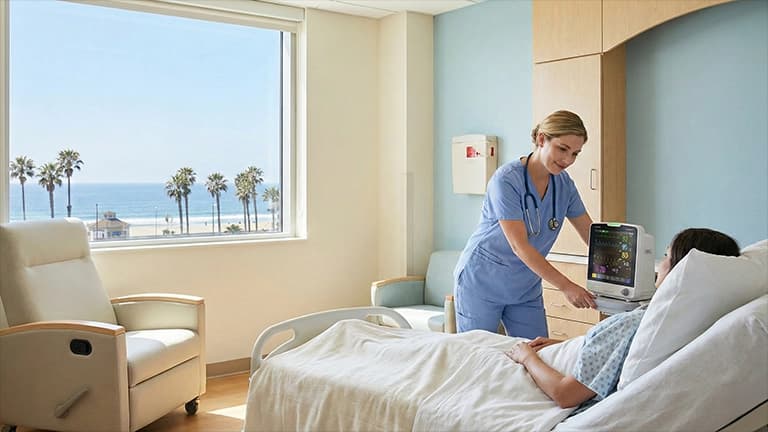
At Surf City Detox in Huntington Beach, California, our medical team provides around-the-clock supervision throughout your detox. We monitor your vital signs continuously and adjust your medication protocol based on how you are responding.
What sets our program apart is the seamless transition to residential treatment. When your detox is complete, you do not return to the same environment where substance use occurred. Instead, you move directly into our residential program where you can begin the deeper work of recovery. This continuity of care eliminates the dangerous gap between detox and treatment when relapse risk is highest.
Our physicians develop personalized medication protocols based on your specific needs. We understand that every person's addiction is different, and your treatment should reflect that.
Addressing the Fear Factor
If you have been putting off getting help because you are terrified of withdrawal, you are not alone. Fear of withdrawal is one of the most common reasons people continue using substances even when they desperately want to stop.
Here is what we want you to know: modern medical detox is nothing like the horror stories you may have heard. With proper medication management, most people describe medical detox as uncomfortable but manageable. Many are surprised by how much better they feel once they are on the other side.
The temporary discomfort of detox is nothing compared to the ongoing suffering of active addiction. And with professional support, that discomfort is minimized significantly.
Take the First Step Today
If you are ready to break free from addiction, medical detox is the safest way to begin. Our compassionate team at Surf City Detox understands what you are going through because we have helped thousands of people through this process.
You do not need to have all the answers right now. You just need to make one phone call.
Call us 24/7 at (714) 248-9760 or contact us online for a confidential assessment. We accept most insurance plans and can often begin the intake process the same day you call.
Your recovery starts here.
This article is for informational purposes only and does not constitute medical advice. Always consult with a healthcare provider for personalized recommendations regarding detox and addiction treatment.
Frequently Asked Questions
What is medical detox?
Medical detox is supervised withdrawal management in a clinical setting with 24/7 monitoring and medication support. Medical professionals assess your health, administer medications to ease symptoms, and monitor vital signs throughout the process. This approach is significantly safer than attempting to quit substances alone.
What medications are used during detox?
Medications vary by substance. For opioid detox, buprenorphine (Suboxone) or methadone reduces cravings and withdrawal symptoms. For alcohol detox, benzodiazepines like diazepam or lorazepam prevent seizures. Comfort medications address nausea, insomnia, and anxiety. Your medical team creates a personalized protocol.
How long does medical detox take?
Detox timelines depend on the substance. Alcohol detox typically takes 3 to 7 days. Opioid detox ranges from 5 to 10 days. Benzodiazepine detox requires 7 to 14 days or longer due to extended withdrawal. Individual factors like usage history and overall health also affect duration.
Why is at-home detox dangerous?
At-home detox from alcohol or benzodiazepines can be life-threatening. Without medical supervision, withdrawal seizures can occur suddenly and be fatal. Delirium tremens affects up to 5% of people withdrawing from alcohol and has a 15% mortality rate without treatment. Professional detox provides immediate intervention.
How do I start medical detox at Surf City?
Call Surf City Detox at (714) 248-9760 for a confidential assessment. Our team is available 24/7 and can often begin the intake process the same day. We accept most insurance plans and will verify your coverage before admission. You do not need to face withdrawal alone.
Sources & References
This article is based on peer-reviewed research and authoritative medical sources.
- Treatment of Alcohol Withdrawal — National Library of Medicine (2023)
- Medications for Opioid Use Disorder — SAMHSA (2024)
- Alcohol Use Disorder: Treatment — National Institute on Alcohol Abuse and Alcoholism (2024)
- The ASAM National Practice Guideline for the Treatment of Opioid Use Disorder — American Society of Addiction Medicine (2024)
Surf City Detox
Surf City Detox Medical Team