Fentanyl contamination in the drug supply makes detox unpredictable and potentially dangerous without medical supervision. Professional detox programs use monitoring, medication, and individualized care to manage withdrawal safely—even when a person doesn't know exactly what they've been exposed to.
- 1Fentanyl is now found in many street drugs, including counterfeit pills, cocaine, and methamphetamine—often without the person's knowledge
- 2Fentanyl withdrawal can begin faster and feel more intense than withdrawal from other opioids, requiring close medical monitoring
- 3Medical detox programs use medications like buprenorphine to stabilize opioid receptors and reduce withdrawal severity
- 4People who did not knowingly use opioids may still experience opioid withdrawal due to fentanyl contamination
- 5Supervised detox is the safest path forward when fentanyl exposure is suspected, because complications can escalate quickly without medical support
The drug supply has changed. Over the past several years, fentanyl—a synthetic opioid estimated to be 50 to 100 times more potent than morphine—has made its way into pills, powders, and street drugs across the country. For people considering detox, this shift changes everything about how withdrawal should be managed. What once might have been a straightforward detox from one known substance now carries layers of uncertainty, and that uncertainty demands a higher level of medical care.
At Surf City Detox in Huntington Beach, we see this reality every day. People come in expecting one type of withdrawal and discover that fentanyl was part of what they were using all along. Understanding how fentanyl contamination affects detox planning is essential for anyone thinking about getting help.
How Has Fentanyl Changed the Drug Supply?
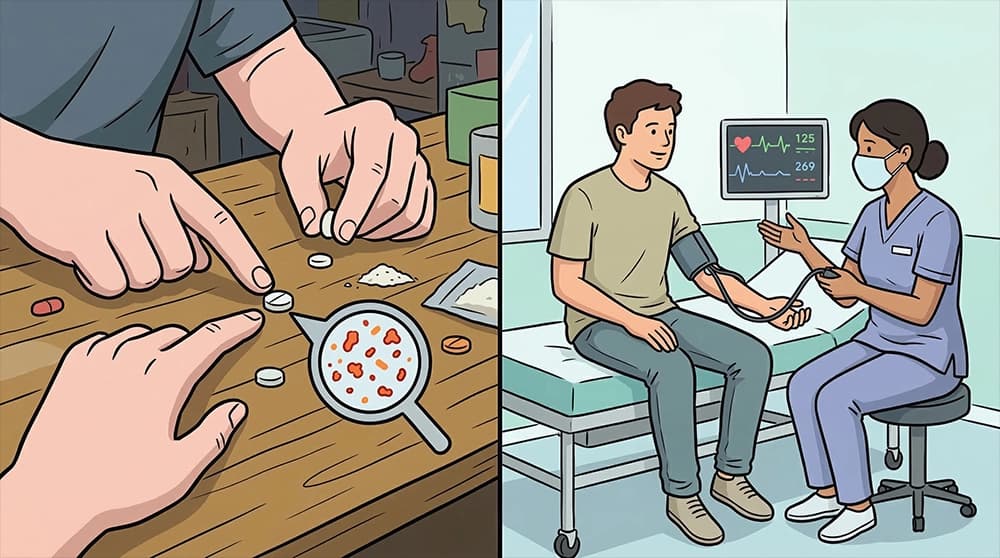
Fentanyl has become one of the most widespread contaminants in unregulated drugs. It has been detected in counterfeit prescription pills, heroin, cocaine, methamphetamine, and pressed tablets made to look like legitimate medications. Because it is cheap to produce and extraordinarily potent, even trace amounts can have a significant effect on the body.
The challenge is that fentanyl contamination is invisible. A person using what they believe is cocaine or a prescription painkiller may have no idea they are also ingesting a powerful synthetic opioid. This matters enormously when it comes to detox because:
- The body may have developed opioid dependence without the person realizing it
- Withdrawal symptoms can include opioid-specific effects that seem unexpected
- Standard detox protocols for one substance may not account for fentanyl exposure
- The risk of complications rises when the full picture of substance exposure is unclear
This is why a thorough medical assessment at the start of any detox program is so important. Clinicians need to evaluate what your body has actually been processing, not just what you believe you were using.
Why Does Fentanyl Make Withdrawal More Unpredictable?
Withdrawal from fentanyl can differ from withdrawal associated with other opioids in several meaningful ways. Because of its potency and the way it binds to receptors in the brain, fentanyl withdrawal often has a faster onset and can feel more intense during the acute phase.
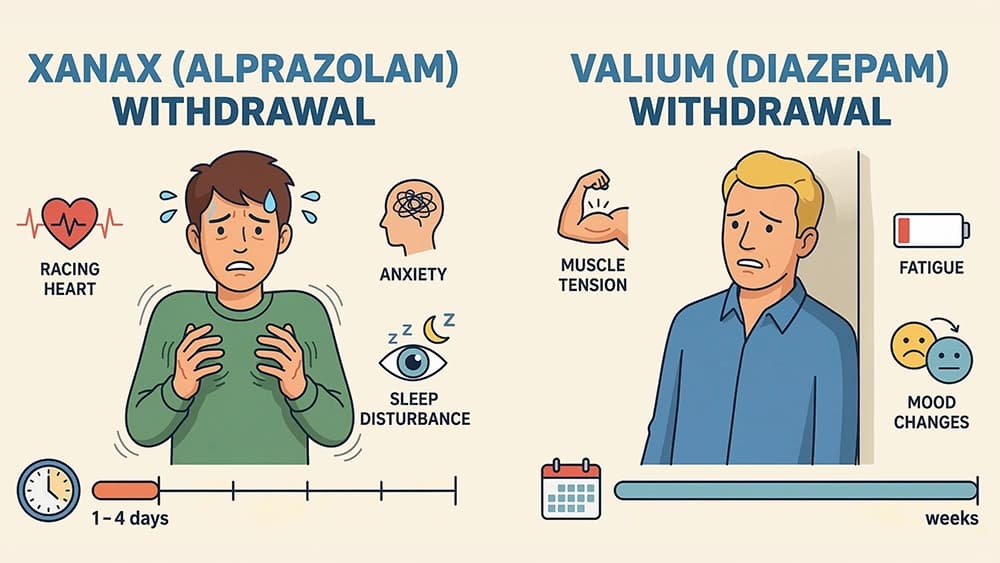
Common symptoms of fentanyl withdrawal include:
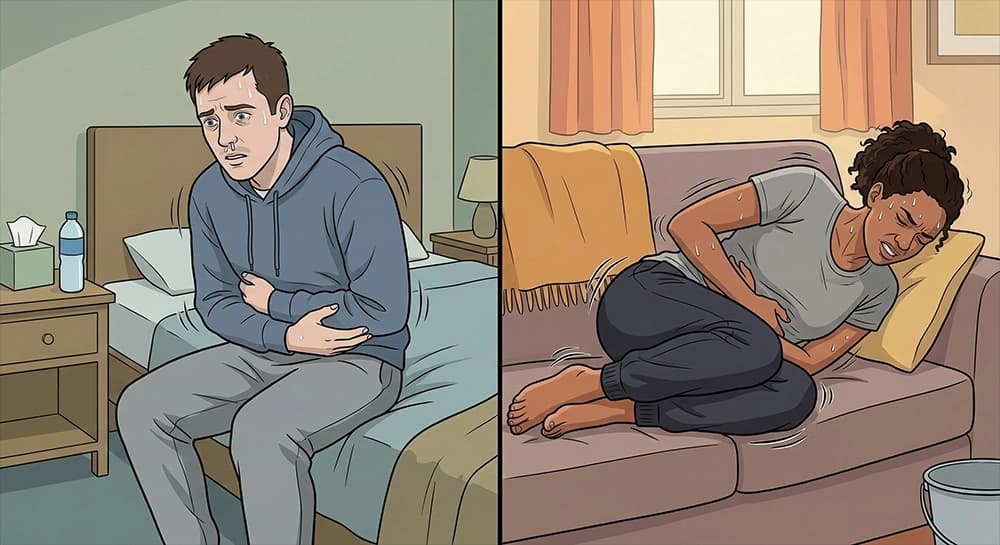
- Muscle and bone pain that can be severe
- Nausea, vomiting, and diarrhea leading to dehydration risk
- Intense anxiety and restlessness
- Insomnia and disrupted sleep cycles
- Strong cravings that peak in the first few days
For people who were unknowingly exposed to fentanyl—say, through contaminated heroin or counterfeit pills—these symptoms can come as a surprise. Someone who thought they were primarily dependent on a stimulant may suddenly find themselves in opioid withdrawal, which requires a completely different medical approach.
The unpredictability is what makes professional supervision so critical. A medical team can adapt to what your body is actually experiencing in real time rather than relying solely on what was expected.
How Does Medical Detox Address Fentanyl Exposure?
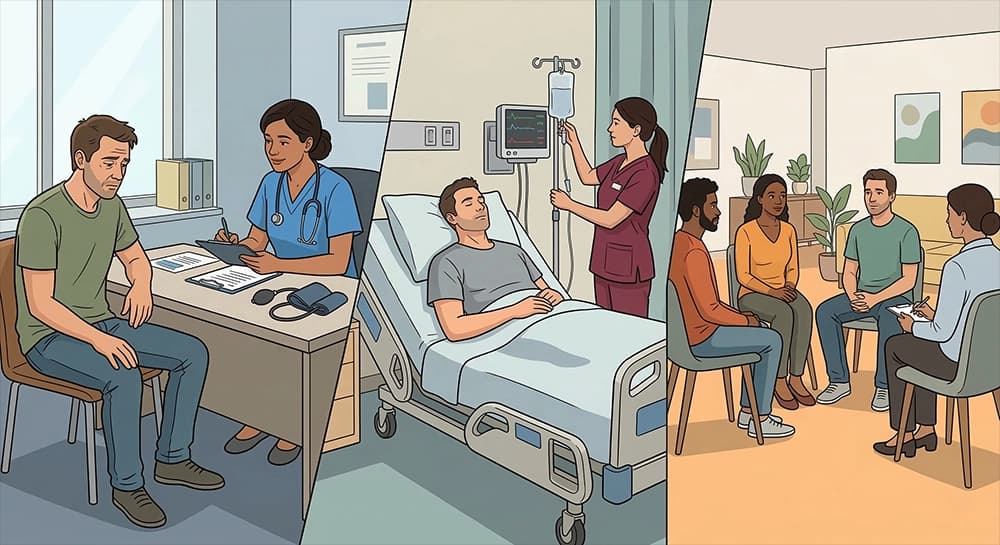
A well-equipped medical detox program approaches fentanyl-related withdrawal with several layers of care. At Surf City Detox, the process begins with a comprehensive intake assessment that includes a detailed substance use history, physical examination, and lab work to help identify what substances are in your system.
Medication-Assisted Stabilization
One of the most effective tools for managing opioid withdrawal is medication-assisted treatment (MAT). Medications like buprenorphine work by partially activating the same opioid receptors that fentanyl targets. This helps reduce withdrawal symptoms and cravings without producing the same intoxicating effects. Other medications may be used to manage specific symptoms—anti-nausea medications, sleep aids, or medications for anxiety and muscle pain.
The timing of medication introduction requires clinical expertise, particularly with fentanyl. Because fentanyl can linger in the body differently than other opioids, the window for safely starting certain medications may shift. Your medical team monitors your symptoms closely and makes medication decisions based on how your body is actually responding.
Around-the-Clock Monitoring
Vital signs—heart rate, blood pressure, temperature, oxygen levels—are checked regularly throughout the detox process. This monitoring allows staff to catch potential complications early, whether that means escalating dehydration, cardiovascular changes, or severe symptom spikes that need immediate intervention.
This level of oversight is especially important when fentanyl is involved because the substance's potency can cause withdrawal to intensify more rapidly than expected. Having trained medical professionals present means adjustments can happen in real time.
Individualized Care Plans
No two people experience detox the same way. Factors like how long you used, what combination of substances were involved, your overall health, and your mental health history all shape how withdrawal unfolds. A personalized care plan accounts for these variables and evolves as your needs change throughout the process.
What If I Didn't Know I Was Exposed to Fentanyl?
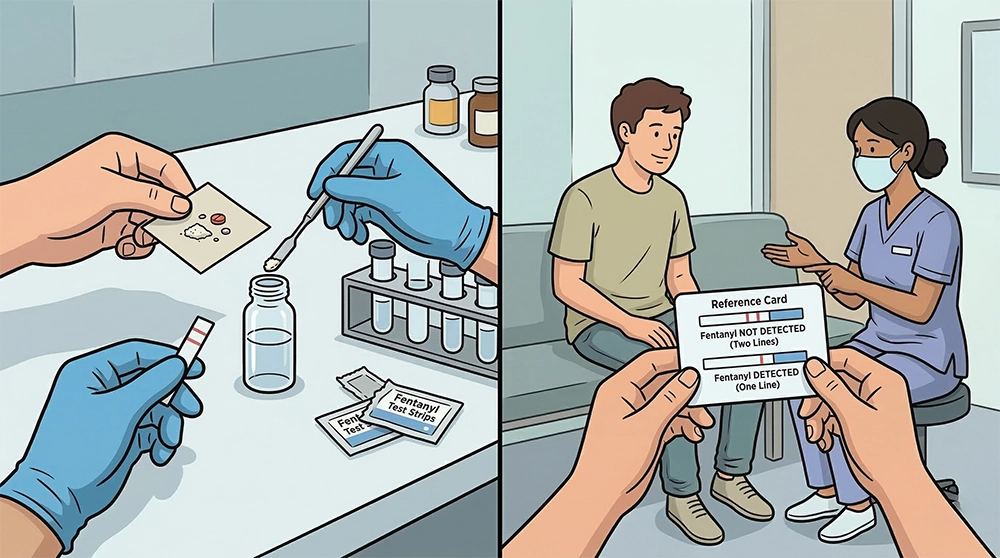
This is more common than many people realize. Someone who has been using cocaine, for example, may test positive for fentanyl during intake and be surprised by the result. The emotional reaction to this discovery can be significant—confusion, fear, even disbelief.
Medical teams understand this. Part of the intake process involves honest, nonjudgmental conversation about what you've been using, how you've been feeling, and what symptoms you're experiencing. Even if you didn't know fentanyl was part of the equation, your treatment team can build a detox plan that accounts for it.
This is one of the strongest arguments for choosing a supervised detox program over attempting to withdraw on your own. At home, unexpected opioid withdrawal symptoms can be frightening and physically risky. In a clinical setting, they are anticipated and managed.
Why Is Supervised Detox Safer Than Detoxing Alone?
Attempting to detox from fentanyl-contaminated substances without medical support carries real risks. The most significant concern is that withdrawal lowers your tolerance rapidly. If a person relapses after even a few days of withdrawal, the dose they previously tolerated can now cause an overdose. This is one of the leading drivers of opioid-related overdose deaths.
Medical detox reduces this risk by:
- Stabilizing your body with appropriate medications during the most vulnerable period
- Monitoring for complications like severe dehydration, elevated heart rate, or respiratory changes
- Providing a structured environment that removes access to substances during peak cravings
- Connecting you with next-step treatment so that detox leads into ongoing recovery support
The goal is not just to get through withdrawal but to do so in a way that positions you for long-term stability.
What Comes After Fentanyl Detox?
Detox is the essential first step, but it is not a complete treatment on its own. After your body has stabilized, ongoing care—whether through residential treatment, outpatient programs, or counseling—helps address the behavioral and psychological dimensions of substance use. Your discharge plan will outline recommended next steps tailored to your needs and goals.
Many people find that the clarity they gain during detox gives them a stronger foundation for the work ahead. With fentanyl out of the equation and withdrawal symptoms managed, you can begin to focus on understanding the patterns that led to substance use and building strategies for sustained recovery. The transition from detox to continued care is something your treatment team plans with you—not for you.
Taking the Next Step Toward Safety
If you or someone close to you has been using substances that may contain fentanyl, waiting to seek help adds unnecessary risk. The safest path forward is professional medical detox where clinicians can assess your situation, manage withdrawal symptoms, and keep you stable throughout the process.
Surf City Detox in Huntington Beach is here to help. Call our admissions team at (714) 248-9760 to talk through your situation, or visit our admissions page to learn more about how to get started. You do not have to navigate this alone.
This content is for informational purposes only and does not constitute medical advice. Please consult a qualified healthcare professional for personalized guidance.
Frequently Asked Questions
How do I know if the drugs I used contained fentanyl?
In many cases, you won't know without testing. Fentanyl is odorless and tasteless, and even small amounts can be mixed into pills, powders, or other substances. If you've been purchasing unregulated drugs, there is a real possibility of fentanyl exposure. Medical professionals can assess your symptoms during intake and adjust your detox plan accordingly.
Is fentanyl withdrawal more dangerous than other opioid withdrawal?
Fentanyl withdrawal shares many symptoms with other opioid withdrawal—muscle aches, nausea, anxiety, and insomnia—but it can come on faster and feel more intense due to fentanyl's potency. While opioid withdrawal is rarely fatal on its own, severe dehydration and other complications can become serious without medical support. Supervised detox helps prevent these risks.
What medications are used during fentanyl detox?
Medications like buprenorphine and methadone are commonly used to ease opioid withdrawal and reduce cravings. Additional medications may address specific symptoms such as nausea, muscle pain, insomnia, or anxiety. Your medical team tailors medication choices to your history and how your body responds throughout the process.
Can I detox from fentanyl at home?
Home detox from fentanyl is not recommended. The unpredictable potency of fentanyl-laced substances makes it difficult to anticipate the severity of withdrawal. Without medical monitoring, symptoms can escalate quickly and lead to complications like severe dehydration or relapse—which carries a high risk of overdose due to reduced tolerance. A supervised medical detox program is the safest option.
How do I start fentanyl detox at Surf City Detox?
You can reach our admissions team at (714) 248-9760 to talk through your situation. We'll ask about your substance use history, health background, and any concerns you have. From there, we help you understand what to expect and work with you to begin the intake process as quickly as possible. You can also visit our admissions page at /admissions/ for more information.
Sources & References
This article is based on peer-reviewed research and authoritative medical sources.
- Fentanyl DrugFacts — National Institute on Drug Abuse (NIDA) (2024)
- The Drug Supply: Fentanyl-Laced Drugs — Centers for Disease Control and Prevention (CDC) (2024)
- Medications for Opioid Use Disorder — SAMHSA (Substance Abuse and Mental Health Services Administration) (2024)
Surf City Detox
Surf City Detox Medical Team