
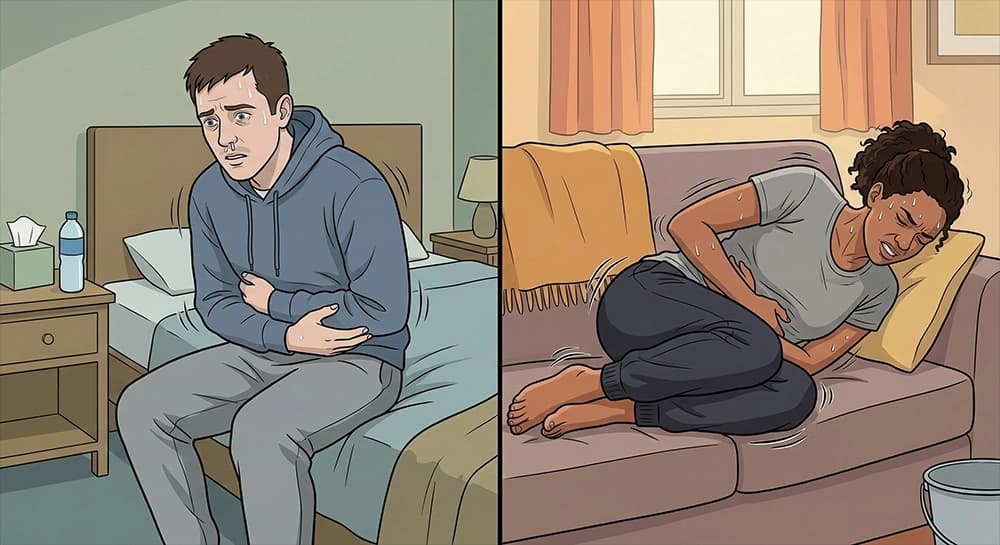
Heroin and fentanyl withdrawal share many symptoms, but fentanyl exposure can create less predictable timelines and severity. Medical detox helps teams monitor changing risk and adjust treatment quickly.
- 1Heroin and fentanyl withdrawal symptoms overlap but can differ in timing and intensity.
- 2Fentanyl exposure can make detox planning less predictable due to potency and supply variability.
- 3Medical monitoring helps manage escalating symptoms and prevent avoidable complications.
- 4Detox is a first phase and should transition into continued treatment support.
- 5An early clinical assessment gives families a safer plan than at-home withdrawal attempts.
In Huntington Beach, families often use the words heroin and fentanyl as if withdrawal from both follows one predictable script. In practice, symptom patterns can overlap yet still differ in ways that change detox planning. That difference matters when deciding whether home management is realistic or medically risky.
This comparison of heroin vs fentanyl withdrawal focuses on what is clinically useful: timing, intensity, unpredictability, and how treatment teams adjust care.
How are heroin and fentanyl withdrawal similar?
Both substances are opioids, so many withdrawal features are shared. People may experience a mix of physical discomfort and emotional distress as opioid effects wear off.
Common symptoms include:
- Muscle and bone aches
- Nausea, abdominal cramping, and diarrhea
- Sweating, goosebumps, and runny nose
- Anxiety, irritability, and sleep disruption
- Strong cravings and difficulty concentrating
Because this overlap is broad, first impressions can underestimate severity. Care teams look beyond symptom names to pattern, progression, and functional impact.
What makes fentanyl withdrawal harder to predict?
Fentanyl's high potency is one factor, but unpredictability in the drug supply is another. NIDA notes that fentanyl and related analog exposure can vary widely, which may affect dependence and withdrawal presentation.
Reasons planning can be more complex include:
- Unknown concentration or analog exposure
- Mixed substance use with sedatives or stimulants
- Rapid changes in symptom intensity
- Longer or fluctuating discomfort for some individuals
For these reasons, detox plans for fentanyl exposure often include closer reassessment and faster medication adjustments.
Does heroin withdrawal follow a different timeline?
Heroin withdrawal can still be severe, but timing is sometimes more familiar to clinical teams when use pattern is clear. Symptoms often begin quickly after last use and then evolve across the next days.
Timeline expectations should still be individualized. Factors that shift risk include:
- Daily dose and duration of opioid use
- Prior detox history
- Current hydration, sleep, and nutrition status
- Co-occurring mental health symptoms
- Other substances used at the same time
No timeline estimate replaces ongoing clinical review during the highest-risk window.
When is medical detox safer than home withdrawal?
Home withdrawal attempts can become unsafe when symptoms escalate or when fentanyl exposure is uncertain. Medical detox allows teams to monitor trends and intervene before complications become crises.
Detox-level support often includes:
- Frequent symptom and vital-sign monitoring
- Medication protocols for opioid withdrawal relief
- Hydration and sleep stabilization support
- Immediate escalation if severe symptoms appear
At Surf City Detox, this is coordinated through detox services with transition planning into continued treatment once acute symptoms stabilize.

How do treatment goals differ after stabilization?
Detox is the first phase, not the complete plan. After acute withdrawal improves, treatment should address relapse risk, triggers, and daily structure.
People withdrawing from either opioid may transition into:
- Counseling and relapse-prevention planning
- Medication discussions based on candidacy
- Family communication and boundary work
- Ongoing monitoring during early recovery
Condition-specific care can be coordinated with heroin treatment support or fentanyl treatment services depending on exposure history.
What should families ask at intake?
Families can improve planning by asking focused questions and sharing clear substance history.
Useful intake questions include:
- How is fentanyl exposure risk assessed?
- What signs indicate immediate escalation risk?
- How often are symptoms reassessed in the first days?
- What is the plan if withdrawal persists longer than expected?
- How is transition from detox to ongoing treatment handled?
Honest details about last use, route, and co-occurring substances help teams build safer first-day plans.
Are complications only physical?
No. Psychological stress can intensify withdrawal and increase return-to-use risk, especially when sleep is poor and cravings are persistent.
Programs should also address:
- Anxiety spikes and emotional regulation
- Motivation changes during acute discomfort
- Family conflict that can destabilize care
- Practical barriers such as transportation and follow-up scheduling
SAMHSA emphasizes the value of treatment continuity through substance use treatment resources, which supports this whole-person approach.
How can people reduce risk before detox starts?
The most important step is early assessment rather than waiting for symptoms to become severe. Families can gather medication lists, recent use details, and emergency contacts before calling.
It also helps to plan:
- Transportation for same-day evaluation if needed
- A support contact for the first treatment days
- Work or family logistics during stabilization
- Insurance information for faster admissions coordination
Practical preparation can shorten delays between concern and clinical care.
Why do reassessments matter during the first detox days?
Withdrawal is dynamic, especially when fentanyl exposure is uncertain. A person can look moderately uncomfortable at intake and then worsen hours later. Reassessment is how teams catch that shift early and adjust care before complications escalate.
During early detox, clinicians may reassess:
- Vital-sign trends and hydration status
- Changes in restlessness, sleep, or pain level
- Craving intensity and impulse-control risk
- Response to withdrawal medications
- New information about co-occurring substance exposure
This ongoing review helps determine whether someone can continue at the current level or needs a higher-intensity setting. It also improves handoff quality when transitioning into ongoing treatment after stabilization.
For families, understanding reassessment helps set expectations. Progress is not always linear in the first days, and short-term plan changes are often a sign of responsive care, not treatment failure.
What role does polysubstance exposure play?
Many people seeking opioid detox have recent exposure to additional substances, whether known or unrecognized. This can change withdrawal presentation and increase uncertainty around symptom timing.
Assessment should review:
- Recent sedative or stimulant use patterns
- Alcohol use that may complicate opioid withdrawal
- Prescription and nonprescription medication interactions
- Prior overdose or complicated detox history
A broader intake picture allows more accurate monitoring priorities and safer medication planning. When mixed-substance risk is identified early, treatment teams can adjust care before complications develop.
Withdrawal from heroin and fentanyl can look similar at first, but differences in potency and unpredictability often change what safe care requires. Call Surf City Detox at (714) 248-9760 to review symptoms and detox options, or verify your insurance before admission.
This content is for informational purposes only and does not constitute medical advice. Please consult a qualified healthcare professional for personalized guidance.
Frequently Asked Questions
Are heroin and fentanyl withdrawal symptoms the same?
They overlap significantly, including muscle aches, nausea, sweating, anxiety, insomnia, and cravings. The difference is often in severity, speed, and unpredictability, especially with fentanyl exposure. A structured assessment helps determine risk level and the safest detox approach for each person.
Does fentanyl withdrawal last longer than heroin withdrawal?
It can, but timelines vary by use pattern, dose, and whether other substances are involved. Some people experience prolonged or fluctuating symptoms after fentanyl exposure. Because timing is less predictable, medical teams usually plan closer monitoring and flexible medication adjustments.
Why does fentanyl withdrawal feel more intense for some people?
Fentanyl is highly potent, and real-world exposure can include unknown analogs or mixed drug supply factors. That can increase physiologic dependence and symptom burden in withdrawal. Intensity also depends on individual health, tolerance history, and whether treatment starts early.
Can heroin withdrawal be managed at home?
Some mild cases may appear manageable, but at-home withdrawal carries risk when symptoms escalate, hydration declines, or polysubstance exposure is present. Clinical detox provides monitoring and rapid intervention if problems emerge. An intake evaluation is the safest way to choose setting and support level.
How do I get detox help at Surf City Detox?
Call Surf City Detox at (714) 248-9760 for a confidential assessment of heroin or fentanyl withdrawal concerns. The admissions team can review symptoms, explain detox options, and coordinate next steps based on current medical and recovery support needs.
Sources & References
This article is based on peer-reviewed research and authoritative medical sources.
- Fentanyl — NIDA (2024)
- Withdrawal Management — SAMHSA (2024)
- Opioid Use Disorder — MedlinePlus (2025)
Surf City Detox
Surf City Detox Medical Team