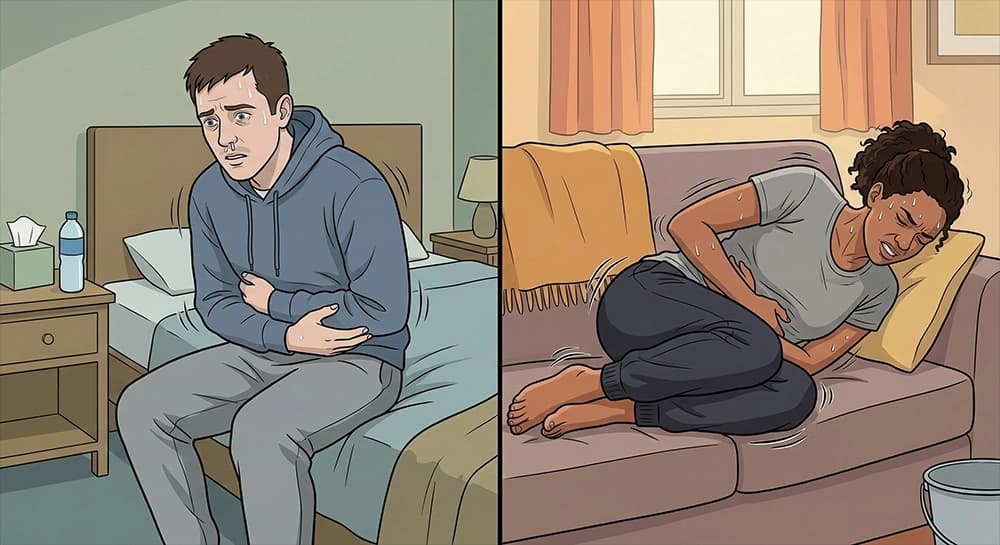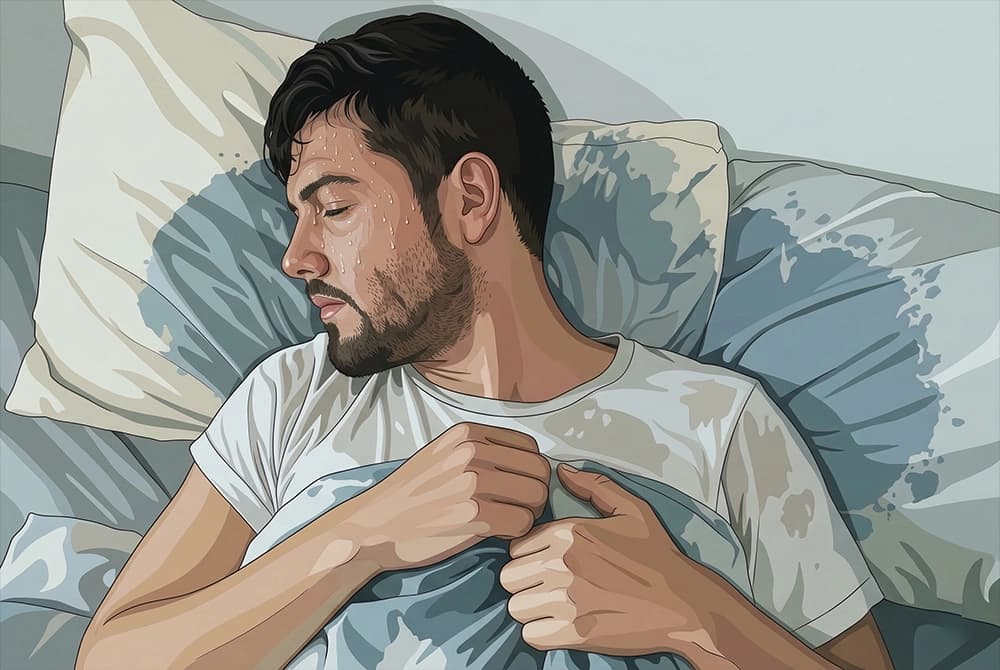
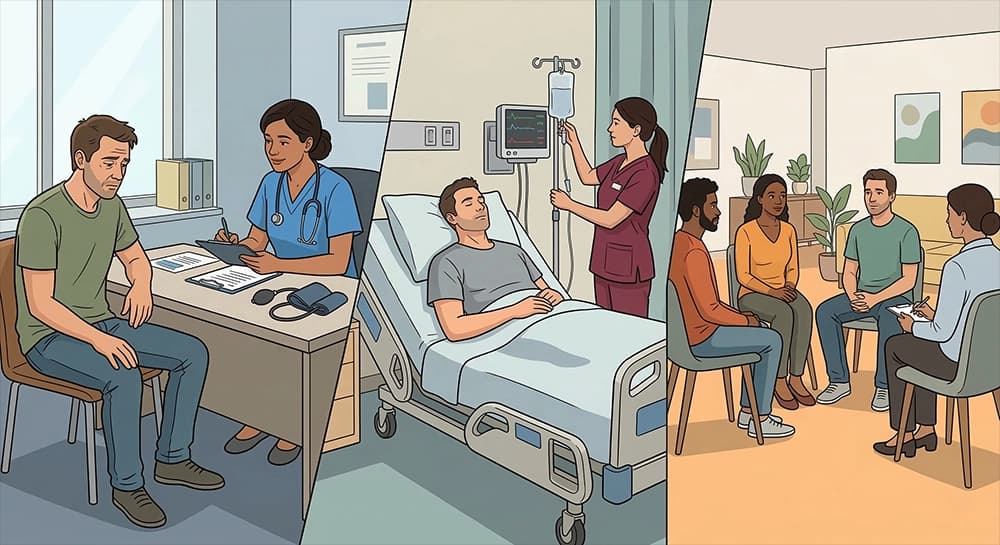
Medical detoxification is a supervised process that uses medications, monitoring, and professional support to safely manage withdrawal symptoms. The process typically involves initial assessment, medication management, around-the-clock monitoring, therapy, and discharge planning—usually completed over 3-10 days depending on individual needs.
- 1Medical detox provides 24/7 medical supervision and medication support to manage withdrawal symptoms safely
- 2The detox process begins with a comprehensive assessment of your medical history, substance use, and individual needs
- 3Medications are used strategically to reduce cravings, ease withdrawal discomfort, and prevent serious complications
- 4Behavioral therapy and counseling begin during detox to address the psychological aspects of substance dependence
- 5Successful detox is the foundation for ongoing treatment; it's the first step toward recovery, not the complete solution
Understanding Medical Detoxification
Medical detoxification is a supervised process where healthcare professionals help your body safely process and eliminate substances while managing withdrawal symptoms. Unlike at-home detox or "cold turkey" approaches, medical detox provides professional monitoring, medication support, and psychological care throughout the process. It's designed to make withdrawal as safe and comfortable as possible while preparing you for ongoing treatment.
Many people fear detoxification because they've heard stories about severe withdrawal symptoms. The reality is that medical detox exists precisely to prevent those scenarios. With proper medical management, most people can detox safely and transition into recovery with significantly reduced discomfort.
The Initial Assessment: Understanding Your Unique Situation
Your medical detox journey begins the moment you enter our program. Your treatment team conducts a thorough assessment that examines multiple dimensions of your health and substance use history.
During this phase, doctors review your medical history, any current medications, and mental health status. They ask detailed questions about which substances you've used, how long you've been using them, how much you typically use, and when you last used. They also assess your previous detox attempts, any family history of substance use, and your current life circumstances.
This assessment isn't about judgment—it's about creating a customized treatment plan. Everyone's body chemistry is different. Two people using the same substance may experience detox very differently based on age, weight, liver function, other health conditions, and medications. The assessment helps your team predict which symptoms you're likely to experience and which medications will work best for you.
Physical examinations and lab work are standard components. These tests establish your baseline health, check for any infections or organ damage, and measure drug levels in your system. This information guides medication selection and monitoring throughout your stay.
Medication Management: Safety and Comfort
One of the most important aspects of medical detox is medication support. Medications serve several crucial purposes: they reduce cravings, ease withdrawal discomfort, prevent dangerous complications, and help stabilize your mood and sleep.
The specific medications depend on what you've been using. For opioid detoxification, medications like buprenorphine or methadone bind to opioid receptors in your brain, preventing withdrawal symptoms and reducing cravings without producing the same high. For alcohol withdrawal, benzodiazepines like chlordiazepam may be used to prevent dangerous seizures and manage anxiety. For stimulants like methamphetamine, medications might address depression, sleep disturbances, and anxiety that commonly occur during withdrawal.
Your medical team doesn't just prescribe medications and hope for the best. They monitor your response carefully. If a medication isn't working effectively, they adjust dosages or try alternatives. This personalized approach means you receive exactly what you need—nothing more, nothing less.
Contrary to misconceptions, using medication during detox isn't "replacing one drug with another" in a negative sense. These are FDA-approved medications used under medical supervision for a specific, limited time. They're tools that allow your brain chemistry to stabilize while your body processes the substances you've been using.
Around-the-Clock Monitoring and Medical Support
Medical detox isn't a situation where you check in and are left largely alone. You have access to medical staff 24 hours a day, seven days a week. Nurses conduct regular vital sign checks, measuring your blood pressure, heart rate, temperature, and oxygen levels. Doctors are available for consultations and to address any medical concerns that arise.
This constant monitoring serves a critical safety function. Withdrawal from some substances—particularly alcohol and benzodiazepines—can cause serious medical complications including seizures, heart arrhythmias, and extreme dehydration. Having medical staff present means these complications can be identified and treated immediately.
Beyond safety, this monitoring also optimizes your comfort. If you're experiencing nausea, the staff can provide medication. If you can't sleep, they can help. If you're experiencing anxiety or emotional distress, they're there to support you. This responsive care helps you move through detox with dignity and minimal suffering.
The medical team also educates you throughout the process. They explain what symptoms are normal, what medications you're taking and why, and what to expect as your body adjusts. This information reduces anxiety and helps you feel more in control of your recovery journey.
Therapeutic Support During Detox
Medical detox isn't just about the physical body—it's equally important to address the psychological dimensions of substance dependence. Many programs include counseling and behavioral therapy starting on day one.
Therapists help you explore the emotional, situational, and behavioral patterns connected to your substance use. They might help you identify triggers, develop healthy coping strategies, and work through underlying issues like trauma, anxiety, or depression that may have fueled your substance use.
Individual counseling sessions provide a confidential space to discuss your concerns and fears about recovery. Group sessions, often offered during detox, connect you with others going through similar experiences. Knowing you're not alone in this process can be profoundly healing.
This early therapeutic work also helps prepare you for what comes next. Detox is the beginning of recovery, not the end. The insights and skills you develop during these initial days form the foundation for longer-term residential treatment or outpatient programs that follow.
Nutrition, Rest, and Self-Care
Your physical body has been under significant stress. Part of medical detox involves helping your body recover through proper nutrition, sleep support, and healthy structure.
Most programs provide nutritious meals designed to support healing and replenish nutrients often depleted during substance use. Proper nutrition helps stabilize your mood, improve your energy, and support your immune system as it recovers.
Sleep is another critical component. Withdrawal often disrupts sleep patterns, and sleep deprivation intensifies other withdrawal symptoms. Medications and therapeutic techniques help restore healthy sleep, which in turn accelerates your overall recovery.
Structured daily activities—whether exercise, recreation, mindfulness practices, or other wellness activities—help normalize your routine and provide healthy outlets for stress and emotion.

Preparing for the Next Phase: Discharge Planning
As your detox period concludes, your treatment team begins serious discharge planning. This isn't about pushing you out; it's about ensuring your transition to ongoing care is seamless and supported.
Your team discusses treatment options that match your needs and circumstances. For some people, residential treatment is the right next step. For others, outpatient programs combined with support groups are more appropriate. Your medical history, substance use severity, social support, living situation, and personal preferences all factor into this decision.
Discharge planning also includes connecting you with aftercare resources, discussing relapse prevention strategies, and helping you understand what ongoing recovery looks like. You'll typically leave with a clear plan for your first weeks and months of recovery, including therapy schedules, support group recommendations, and medication management plans.
What Medical Detox Is and Isn't
It's important to understand what detoxification accomplishes and what it doesn't. Medical detox effectively removes substances from your body and manages withdrawal symptoms. It stabilizes your mental and physical health and begins addressing underlying issues. For many people, it's a life-changing first step.
However, detox alone doesn't treat the psychological dependence on substances or address the life circumstances that may have contributed to substance use. That's why detox is best viewed as the foundation for ongoing treatment, not the complete solution. Most people benefit from continued therapy, counseling, support groups, or residential treatment after detox.
Think of it this way: detox clears the fog so you can see clearly. The work after detox involves building new habits, developing healthier coping strategies, repairing relationships, and creating a life where substance use is no longer necessary.
Taking the First Step
If you or someone you care about is struggling with substance dependence, medical detox might be the safe, compassionate beginning you need. The process is designed by people who understand addiction, built on science, and delivered by caring professionals.
The fear you might feel about detox is normal. But you don't have to face it alone. At Surf City Detox, we guide people through this process every day. We understand the physical symptoms, the emotional challenges, and the uncertainty about what comes next. Our team creates a safe environment where healing can begin.
Ready to learn more? Visit our admissions page to see how we can help. If you have questions or want to discuss your specific situation, call us at (714) 248-9760. Our admissions team is available to talk through your concerns and help you take the next step toward recovery. We're also happy to discuss insurance coverage and payment options to make treatment accessible for you.
This content is for informational purposes only and does not constitute medical advice. Please consult a qualified healthcare professional for personalized guidance.
Frequently Asked Questions
How long does medical detox typically take?
Medical detox typically lasts 3-10 days, though some individuals may benefit from longer programs. The exact duration depends on the substance used, how long you used it, your overall health, and your individual response to treatment. Your treatment team will customize your timeline based on your specific needs.
Will I experience withdrawal symptoms during medical detox?
Some withdrawal discomfort is common, but medical detox is designed to minimize it. Medications can significantly reduce cravings and physical symptoms like pain, nausea, and anxiety. Your medical team monitors you continuously and adjusts medications to keep you as comfortable as possible while you safely eliminate the substance from your body.
What medications are used during medical detox?
Medications vary depending on the substance. For opioid detox, medications like buprenorphine or methadone reduce cravings and withdrawal symptoms. For alcohol, benzodiazepines may be used to prevent seizures and manage anxiety. For other substances, medications address specific symptoms like sleep disturbances, depression, or pain. Your doctor selects medications based on your medical history and current needs.
Can I leave medical detox whenever I want?
Most medical detox programs are voluntary, so you can technically leave at any time. However, leaving early significantly increases relapse risk and puts you at medical danger. Your treatment team will discuss why staying is important for your safety and recovery. If you're having doubts, talk to your care team—they can address your concerns and help you stay committed.
How do I get started with medical detox at Surf City?
Getting started is simple. Contact our admissions team at (714) 248-9760 to speak with someone about your needs. We'll discuss your substance use history, medical background, insurance coverage, and answer any questions you have. Our team will help you understand the process and get you admitted quickly. You can also visit our admissions page at /admissions/ to learn more about what to expect.
Sources & References
This article is based on peer-reviewed research and authoritative medical sources.
- Medication-Assisted Treatment (MAT) for Opioid Use Disorder — SAMHSA (Substance Abuse and Mental Health Services Administration) (2024)
- Managing Withdrawal Symptoms During Detoxification — National Institute on Drug Abuse (NIDA) (2024)
- Clinical Guidelines for Alcohol Withdrawal Management — American Family Physician / NCBI (2023)
Surf City Detox
Surf City Detox Medical Team