
Opioid withdrawal causes physical pain and fatigue; stimulant withdrawal brings severe depression and cravings. Both require medical supervision, but different interventions address each.
- 1Opioid withdrawal is intensely physical but rarely life-threatening; stimulant withdrawal is primarily psychological and equally challenging.
- 2Timeline differs significantly: opioid withdrawal peaks in 3–5 days; stimulant withdrawal peaks in 2–4 weeks.
- 3Medications like buprenorphine ease opioid withdrawal; stimulant withdrawal relies on behavioral therapy and mood support.
- 4Polysubstance use complicates detox, requiring dual-track treatment in a supervised program.
- 5Medical monitoring prevents complications in both cases and increases long-term recovery success.
Understanding the difference between opioid and stimulant withdrawal is critical for anyone facing detoxification. While both involve stopping addictive substances, the physical and psychological effects diverge significantly in ways that directly impact treatment planning. This guide compares the two, emphasizing why specialized medical supervision matters for each type.
Opioid Withdrawal vs. Stimulant Withdrawal: The Basics
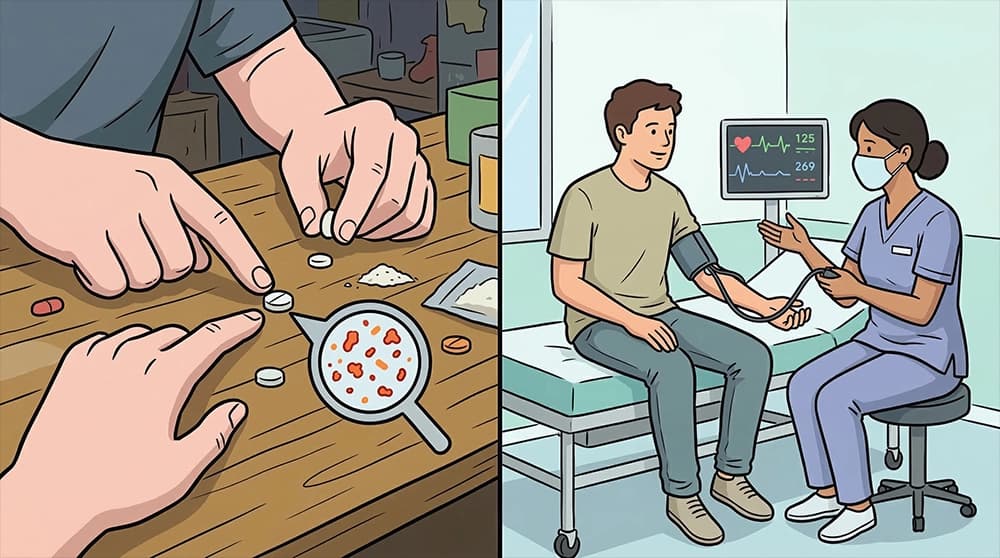
When someone stops using opioids (heroin, prescription pills, fentanyl) or stimulants (methamphetamine, cocaine, prescription stimulants), the brain and body react to the sudden absence of the drug. However, the nature, intensity, and duration of these reactions differs profoundly, requiring different treatment approaches.
Opioid withdrawal emerges from physical dependence. Opioids suppress the central nervous system. When removed, the nervous system rebounds—causing body aches, gastrointestinal distress, sweating, and insomnia. Those withdrawing from heroin or long-acting opioids often experience intense physical symptoms. While uncomfortable, opioid withdrawal is rarely fatal in otherwise healthy adults.
Stimulant withdrawal is less visible but equally serious and potentially more dangerous. Stimulants overstimulate dopamine and norepinephrine pathways. Removal triggers severe depression, anhedonia (inability to feel pleasure), extreme fatigue, and intense cravings. The psychological toll can be life-threatening if untreated—suicidal ideation and psychosis are serious, real risks.
Timeline: How Quickly Do Symptoms Appear?
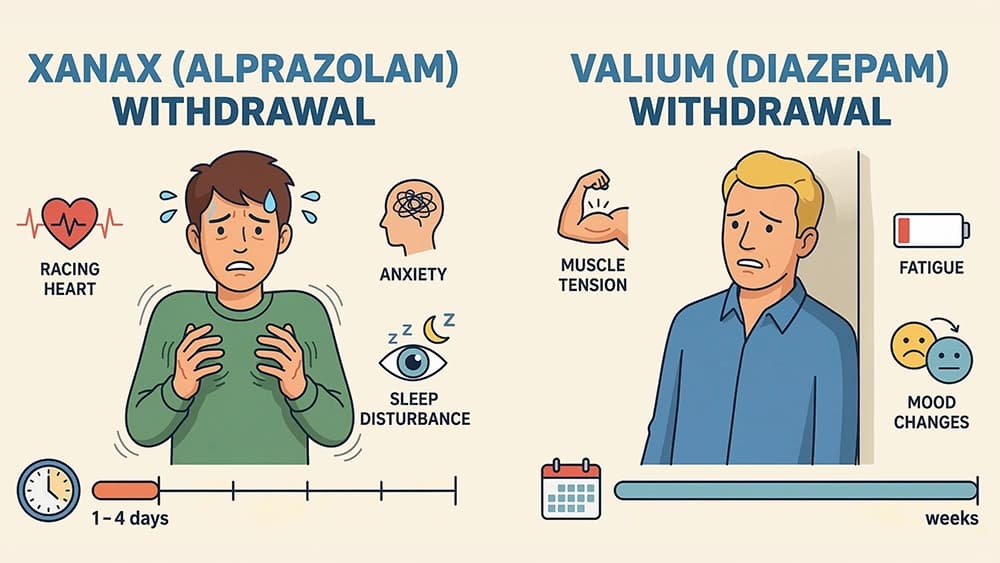
One major difference between opioid and stimulant withdrawal is the timeline of symptom onset, peak severity, and duration of acute effects.
Opioid withdrawal onset: Symptoms begin 6–12 hours after the last use of short-acting opioids (heroin) or 24–48 hours after long-acting opioids (methadone, buprenorphine). Peak discomfort occurs around day 3–5, with most acute symptoms resolving within 1–2 weeks. Post-acute withdrawal syndrome may extend recovery further.
Stimulant withdrawal onset: Symptoms often begin immediately after the last use, with the crash hitting hardest in the first 24–48 hours. However, acute symptoms (depression, cravings, fatigue) can persist for 2–4 weeks or longer. Post-acute withdrawal syndrome may extend recovery timelines further.
Physical vs. Psychological: What You'll Experience
Opioid Withdrawal Symptoms
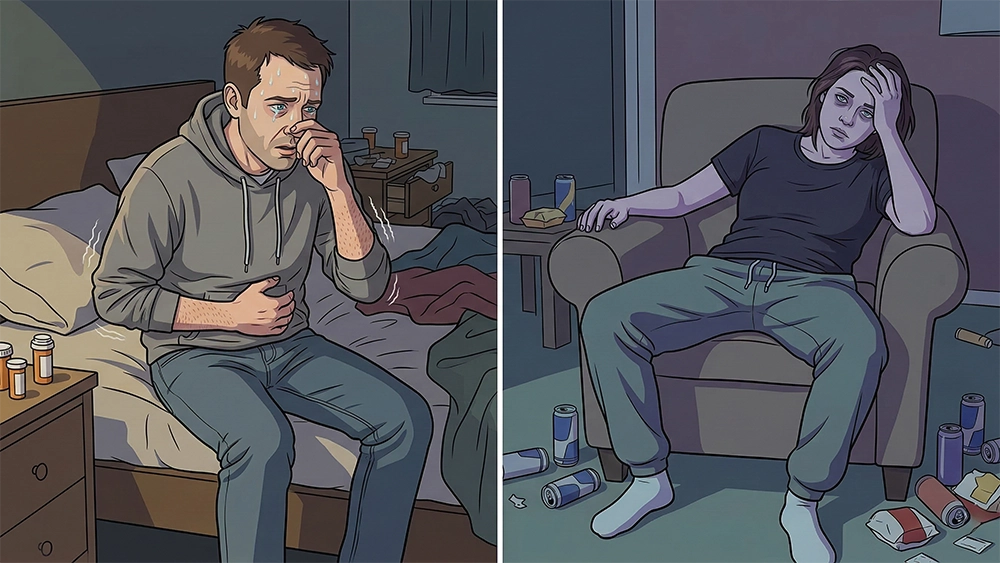
Opioid withdrawal is primarily physical and uncomfortable:
- Muscle and joint aches—intense flu-like body pain affecting sleep and movement
- Sweating and chills—unpredictable temperature regulation
- Nausea, vomiting, diarrhea—can cause dehydration if fluids aren't managed
- Rapid heart rate and elevated blood pressure
- Pupil dilation
- Insomnia and anxiety—often last to resolve
- Restlessness and irritability
These symptoms peak around day 3–4 and gradually fade. The intensity of aches can be severe enough that many people believe they need opioids to function—a key moment where medication-assisted treatment proves invaluable.
Stimulant Withdrawal Symptoms
Stimulant withdrawal is primarily psychological and neurological:
- Severe depression and anhedonia—loss of pleasure making life feel meaningless without the drug
- Intense drug cravings—psychological urges triggered by environmental cues (locations, people, objects)
- Extreme fatigue and lethargy—a low-energy state where self-care feels impossible
- Sleep disturbances—insomnia or hypersomnia
- Difficulty concentrating—brain fog and inability to focus
- Paranoia or paranoid ideation
- Suicidal thoughts—a serious psychiatric emergency risk requiring hospitalization
- Anxiety and panic attacks
These symptoms are less visible but often more distressing. Many people relapse during stimulant withdrawal because the psychological discomfort feels unbearable. The brain's dopamine system has been dysregulated—pleasure feels unavailable without the drug, creating hopelessness that behavioral support and medication must address.
Comparison Table: Opioid vs. Stimulant Withdrawal
| Factor | Opioid Withdrawal | Stimulant Withdrawal |
|---|---|---|
| Primary Type | Physical/physiological | Psychological/neurological |
| Onset | 6–48 hours | Immediate–24 hours |
| Peak | Days 3–5 | Days 1–14 (varies widely) |
| Duration of Acute Symptoms | 1–2 weeks | 2–4 weeks (can extend longer) |
| Most Serious Risk | Dehydration, seizures (rare) | Suicidal thoughts, psychosis, relapse |
| Medication Support | Buprenorphine, methadone, clonidine | Antidepressants, mood stabilizers, behavioral therapy |
| Life-Threatening Without Care | Uncommon | Possible (psychiatric complications) |
| Relapse Trigger | Physical discomfort | Psychological despair and cravings |
Why Medical Supervision Matters for Each
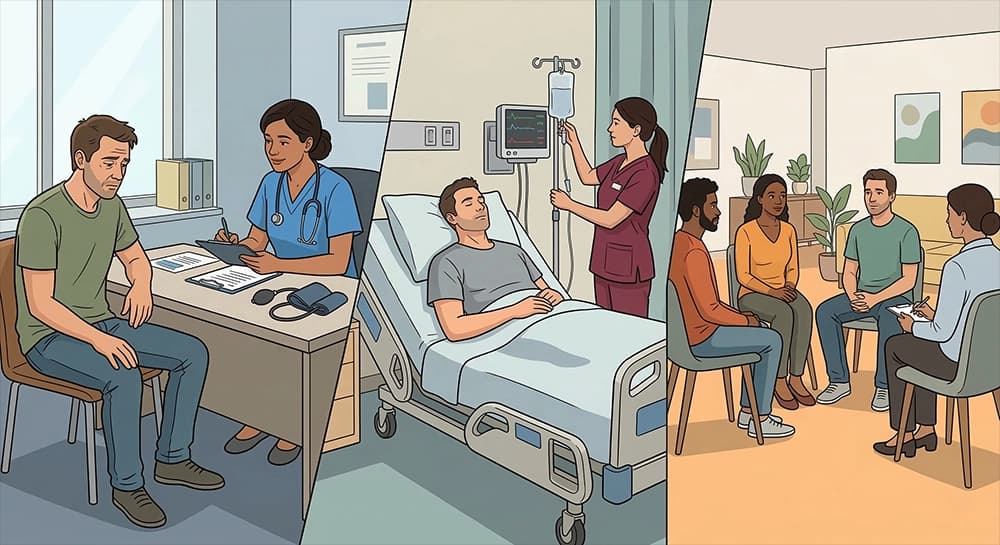
Opioid withdrawal medical support: Medications like buprenorphine reduce cravings and ease physical discomfort, making withdrawal manageable. Our detox programs provide medication-assisted treatment (MAT) that stabilizes patients while they adjust. For those with heroin or fentanyl dependence, professional supervision prevents complications and sets the foundation for long-term recovery.
Stimulant withdrawal medical support: No single medication reverses stimulant withdrawal, but antidepressants, mood stabilizers, and cognitive behavioral therapy significantly reduce psychological suffering. Continuous monitoring for suicidal ideation is essential. Behavioral support—counseling, support groups, structured programming—is the backbone of stimulant detox.
Polysubstance Withdrawal: When Both Are Present
Many people use opioids and stimulants together (commonly called a speedball). Withdrawing from both simultaneously is significantly more complex, combining opioid physical symptoms with stimulant psychological symptoms in ways that demand comprehensive, dual-track care.
What to expect during polysubstance detox:
In the first 24–48 hours, the stimulant crash dominates—intense depression, fatigue, and cravings while opioid withdrawal is just beginning. Days 2–5, both withdrawal types peak simultaneously: opioid body aches intensify while stimulant psychological symptoms remain severe. This overlapping period is the most challenging, requiring round-the-clock support and monitoring. After day 5–7, opioid symptoms improve with medication, but stimulant-related depression and anhedonia may persist or worsen temporarily, creating an asymmetrical recovery timeline.
Dual-track treatment addresses both simultaneously: medication eases opioid withdrawal while evidence-based therapy tackles stimulant depression and cravings. Antidepressants may start earlier in polysubstance detox to forestall the deepest depression. Individual counseling, group therapy, and structured programming provide essential psychological support that medication alone cannot provide.
Why Individual Monitoring Is Critical
Everyone's withdrawal is different. Factors like duration of use, overall health, co-occurring mental health conditions, and polydrug patterns significantly influence withdrawal severity and length. This is why cookie-cutter detox fails—personalized, medically supervised care tailored to individual needs is the only approach that works.
Whether you're facing opioid withdrawal or stimulant withdrawal, or both, a supervised program ensures safety, comfort, and sustainable recovery. Our team at Surf City Detox specializes in comprehensive detoxification that addresses the unique medical and psychological needs of each substance and each person.
Your Next Step
If you or a loved one is ready to stop using opioids, stimulants, or both, don't wait for withdrawal to begin. Starting in a supportive, medically supervised detox program makes all the difference. Our experienced team understands the profound differences between opioid and stimulant withdrawal and designs comprehensive treatment accordingly.
Call Surf City Detox at (714) 248-9760 today to speak with an intake specialist. We're here to answer your questions, address your concerns, and guide you toward lasting recovery.
Medical disclaimer: This article is for informational purposes only and does not constitute medical advice. Always consult with a healthcare provider for personalized recommendations.
Frequently Asked Questions
How long does opioid withdrawal last compared to stimulant withdrawal?
Opioid withdrawal typically peaks within 3–5 days and subsides over 1–2 weeks, though post-acute symptoms can linger. Stimulant withdrawal has no predictable peak but acute symptoms (depression, anhedonia, fatigue) often last 2–4 weeks. Both benefit from extended support.
Which is more dangerous: opioid or stimulant withdrawal?
Opioid withdrawal rarely causes death but involves severe discomfort. Stimulant withdrawal carries psychiatric risks (depression, psychosis, suicidal thoughts) that require close monitoring. Neither is inherently 'safer'—both demand medical oversight.
Can medication help with stimulant withdrawal the way it helps opioid withdrawal?
Unlike opioid withdrawal, no single medication reverses stimulant withdrawal. Treatment focuses on mood stabilizers, antidepressants, and behavioral interventions. Addressing co-occurring depression or anxiety is critical.
What happens if I withdraw from both opioids and stimulants simultaneously?
Polysubstance withdrawal is more complex. You may experience opioid physical symptoms alongside stimulant psychiatric symptoms. A comprehensive detox program manages both tracks, often using medications for opioids and therapy for stimulant-related mood issues.
How do I know if I need professional detox for withdrawal?
If you're using opioids regularly or any stimulants, medical detox reduces complications and discomfort. Call Surf City Detox at (714) 248-9760 to discuss your situation with an intake specialist.
Sources & References
This article is based on peer-reviewed research and authoritative medical sources.
- Opioid Use Disorder and Related Treatment Outcomes: A Systematic Review and Meta-Analysis — National Institute of Health / PubMed Central (2020)
- Stimulant Withdrawal in Cocaine and Methamphetamine Use Disorders — Substance Abuse and Mental Health Services Administration (SAMHSA) (2023)
- Clinical Neurophysiology of Withdrawal Syndrome Across Substance Classes — National Institute on Drug Abuse (NIDA) (2022)
Surf City Detox
Surf City Detox Medical Team