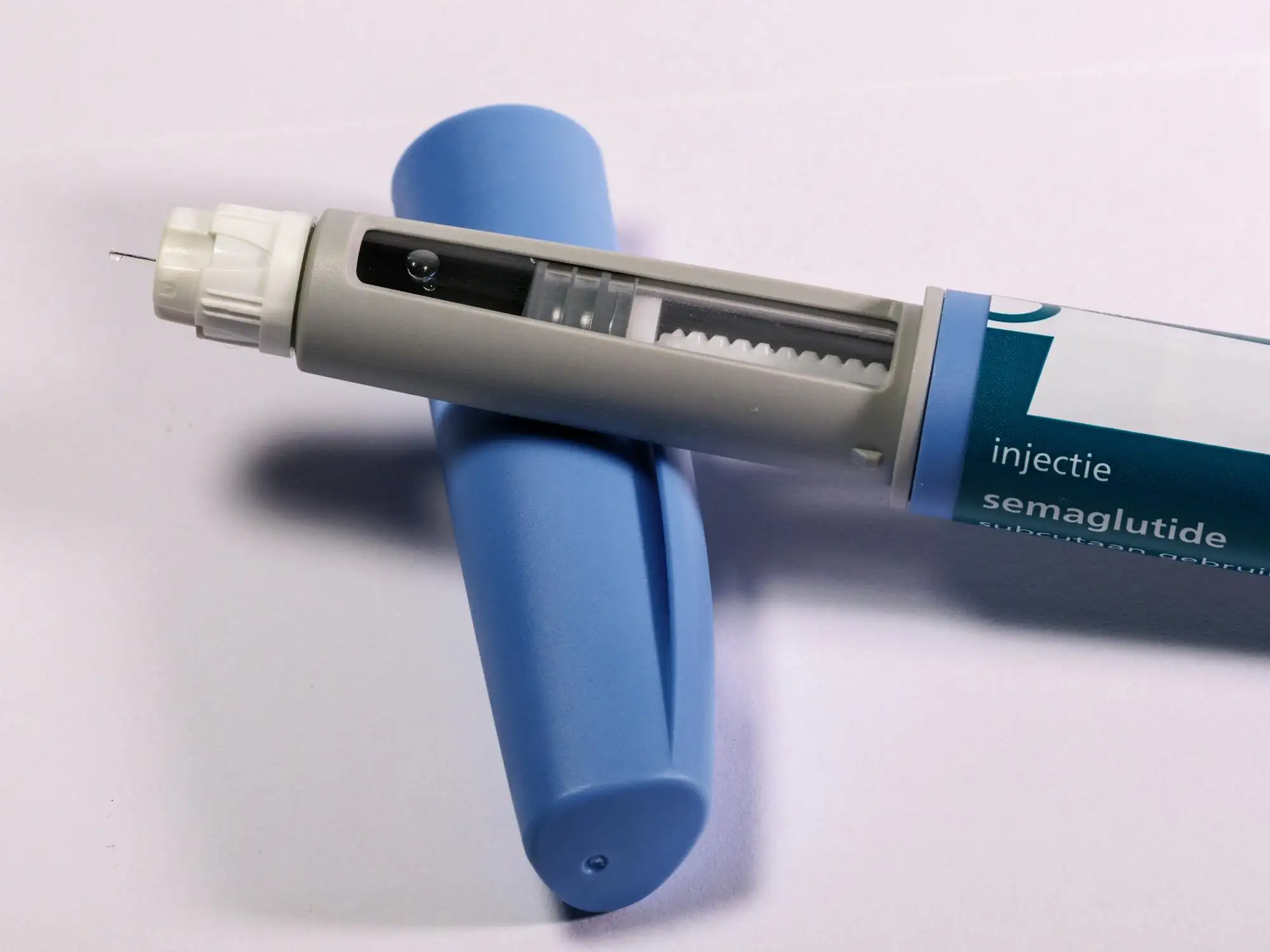
New 2025 clinical research shows that GLP-1 medications like Ozempic (semaglutide) may significantly reduce alcohol cravings and heavy drinking. While not yet FDA-approved for addiction treatment, these drugs show promising results that may exceed current medications. If you're struggling with alcohol, proven treatment is available now at Surf City Detox.
- 1GLP-1 medications like Ozempic and Wegovy may reduce alcohol cravings based on new clinical trial data
- 2A JAMA Psychiatry study found semaglutide reduced drinking quantity, cravings, and heavy drinking days
- 3GLP-1 drugs are NOT yet FDA-approved for treating alcohol use disorder
- 4Current FDA-approved alcohol addiction medications (naltrexone, acamprosate, disulfiram) are available and effective
- 5Medical detox with 24/7 supervision is the safest way to stop drinking
If you've been following health news lately, you've likely heard about Ozempic and Wegovy, the blockbuster medications originally developed for diabetes and weight loss. But now, groundbreaking research is revealing something unexpected: these drugs may also help reduce alcohol cravings and heavy drinking.
At Surf City Detox, we stay at the forefront of addiction medicine research to provide our clients with the most effective treatment options. Here's what you need to know about GLP-1 medications and their potential role in addiction treatment.
What Are GLP-1 Medications?
GLP-1 receptor agonists (glucagon-like peptide-1) are a class of medications that mimic a natural hormone in your body. They were originally developed to help manage type 2 diabetes by regulating blood sugar levels. The most well-known GLP-1 medications include:
- Semaglutide (brand names Ozempic and Wegovy)
- Tirzepatide (brand names Mounjaro and Zepbound)
- Liraglutide (brand names Victoza and Saxenda)
These medications have gained massive popularity for their effectiveness in promoting weight loss, but researchers began noticing something interesting: many patients reported reduced interest in alcohol while taking these drugs.
The Science Behind GLP-1 and Alcohol Cravings
The connection between GLP-1 medications and reduced alcohol consumption isn't just anecdotal. In February 2025, researchers published findings in JAMA Psychiatry from the first randomized, placebo-controlled clinical trial specifically designed to study this phenomenon.
Key Findings from the Clinical Trial
The study, led by Christian Hendershot at USC's Institute for Addiction Science, showed that weekly injections of semaglutide compared to placebo:
- Reduced alcohol cravings significantly
- Decreased drinking quantity overall
- Lowered the frequency of heavy drinking days
What makes these results particularly exciting is that the magnitude of semaglutide's effects appeared potentially greater than what is typically seen with existing FDA-approved medications for alcohol use disorder, even though the drug was only administered at the lowest clinical doses.
How Do These Medications Affect the Brain?
GLP-1 receptors aren't just found in the gut and pancreas—they're also present in areas of the brain involved in reward and addiction. When GLP-1 medications activate these receptors, they may:
- Reduce the pleasurable effects of alcohol
- Decrease motivation to seek alcohol
- Lower overall reward-seeking behavior
- Help regulate impulse control
A large Swedish study of approximately 228,000 people with alcohol use disorder found that those taking GLP-1 medications were less likely to be hospitalized for alcohol-related issues.
What This Means for Addiction Treatment
While this research is promising, it's important to understand what it does and doesn't mean for people struggling with alcohol addiction.
Current Limitations
GLP-1 medications are not yet FDA-approved for treating alcohol use disorder. The current FDA-approved medications for alcohol addiction are:
- Naltrexone
- Acamprosate
- Disulfiram
These medications remain underutilized despite their proven effectiveness. Only about 18% of people with opioid use disorder and an even smaller percentage with alcohol use disorder receive medication-assisted treatment.
The Promise of Future Treatment
Researchers believe GLP-1 medications could become an important addition to addiction treatment for several reasons:
- Broader appeal: The popularity of Ozempic and similar drugs may reduce the stigma around taking medication for addiction
- Dual benefits: Many people with alcohol use disorder also struggle with weight issues, making these medications potentially helpful on multiple fronts
- Novel mechanism: GLP-1 drugs work differently than existing addiction medications, offering hope for those who haven't responded to current treatments
Beyond Alcohol: Effects on Other Addictive Behaviors
Interestingly, the effects of GLP-1 medications may extend beyond alcohol. Among participants in the semaglutide study who smoked cigarettes, those receiving the medication reported a steeper drop in daily cigarette use compared to those on placebo.
The National Institute on Drug Abuse (NIDA) is currently funding randomized clinical studies to assess whether GLP-1 medications could help treat opioid and stimulant use disorders as well.
What to Do If You're Struggling With Alcohol
If you or a loved one is struggling with alcohol use disorder, waiting for experimental treatments isn't the answer. Effective help is available right now.
Proven Treatment Approaches
At Surf City Detox, we offer comprehensive treatment that includes:
- Medical detoxification with 24/7 monitoring and support
- Medication-assisted treatment using FDA-approved medications
- Evidence-based therapies including CBT and DBT
- Holistic approaches addressing mind, body, and spirit
- Aftercare planning for long-term recovery success
The Importance of Professional Detox
Alcohol withdrawal can be dangerous and even life-threatening. Symptoms can include:
- Severe anxiety and tremors
- Elevated heart rate and blood pressure
- Seizures
- Delirium tremens (DTs)
Medical supervision during detox ensures your safety and comfort while managing withdrawal symptoms with appropriate medications.
The Future of Addiction Medicine
The research on GLP-1 medications represents an exciting development in addiction medicine, but it's just one piece of a larger puzzle. Effective treatment for alcohol use disorder typically involves:
- Comprehensive assessment of physical and mental health
- Individualized treatment planning
- Addressing co-occurring disorders like anxiety and depression
- Building coping skills and relapse prevention strategies
- Ongoing support through aftercare programs
As research continues, we may see GLP-1 medications become part of the addiction treatment toolkit. Until then, proven treatments are available and effective for those ready to begin their recovery journey.
Take the First Step Today
If alcohol is controlling your life, you don't have to wait for tomorrow's treatments. Help is available now at Surf City Detox in Huntington Beach, California.
Our compassionate medical team provides personalized care in a comfortable, supportive environment. We accept most insurance plans and offer confidential consultations to discuss your treatment options.
Call us 24/7 at (714) 248-9760 or contact us online to learn how we can help you or your loved one begin the journey to recovery.
This article is for informational purposes only and does not constitute medical advice. Always consult with a healthcare provider before starting or stopping any medication. GLP-1 medications are not FDA-approved for treating alcohol use disorder.
Frequently Asked Questions
Can Ozempic help with alcohol addiction?
Early research suggests Ozempic (semaglutide) may help reduce alcohol cravings and heavy drinking. A 2025 clinical trial published in JAMA Psychiatry found significant reductions in drinking among participants taking semaglutide. However, Ozempic is not FDA-approved for treating alcohol use disorder, and more research is needed before it can be recommended for this purpose.
Does Wegovy reduce alcohol cravings?
Wegovy contains the same active ingredient as Ozempic (semaglutide), so research showing reduced alcohol cravings applies to both medications. Studies show GLP-1 medications may reduce the pleasurable effects of alcohol and decrease motivation to drink. However, these drugs are currently only FDA-approved for weight loss and diabetes, not addiction treatment.
What medications are FDA-approved for alcohol addiction?
Three medications are currently FDA-approved for treating alcohol use disorder: naltrexone (reduces cravings and blocks alcohol's pleasurable effects), acamprosate (helps maintain abstinence), and disulfiram (causes unpleasant reactions when alcohol is consumed). These medications, combined with behavioral therapy, are proven effective for alcohol addiction treatment.
Is it safe to drink alcohol while taking Ozempic?
Drinking alcohol while taking Ozempic is generally not recommended. Both alcohol and Ozempic can cause nausea, and combining them may increase side effects. More importantly, if you're taking Ozempic and notice reduced interest in alcohol, this could be an opportunity to address any unhealthy drinking patterns with professional help.
How long does alcohol detox take?
Alcohol detox typically takes 5-7 days, though the timeline varies based on factors like drinking history and overall health. Withdrawal symptoms usually begin within 6-12 hours of the last drink, peak around 24-72 hours, and gradually improve after day 4-5. Medical supervision during detox is crucial for safety and comfort.
Sources & References
This article is based on peer-reviewed research and authoritative medical sources.
- Semaglutide and Alcohol Use Disorder: A Randomized Clinical Trial — JAMA Psychiatry (2025)
- GLP-1 Receptor Agonists and Addiction: Emerging Evidence — National Institute on Drug Abuse (NIDA) (2025)
- Medications for Opioid Use Disorder (MOUD) — U.S. Food and Drug Administration (2024)
- Alcohol Use Disorder: A Comparison Between DSM-IV and DSM-5 — National Institute on Alcohol Abuse and Alcoholism (NIAAA)
- 2025 AMA Report on Substance Use and Treatment — American Medical Association (2025)
Dr. Eric Chaghouri, MD
Surf City Detox Medical Team