
Heroin detox in Huntington Beach provides medically supervised withdrawal management that reduces discomfort, prevents complications, and creates a stable foundation for ongoing addiction treatment. Medications like buprenorphine ease withdrawal while clinical support prepares individuals for the next phase of recovery.
- 1Heroin withdrawal is intensely uncomfortable but manageable with medical supervision and evidence-based medications like buprenorphine and clonidine.
- 2Professional detox provides 24/7 monitoring, symptom management, and a safe environment during the most physically demanding phase of recovery.
- 3Withdrawal symptoms typically peak within 2–4 days and subside over 7–10 days, though post-acute symptoms may continue for weeks.
- 4Detox alone is not treatment—transitioning to residential care, therapy, and aftercare planning is essential for sustained recovery.
- 5Huntington Beach residents can access local heroin detox programs that coordinate medical stabilization with step-down treatment options.
Heroin detox in Huntington Beach gives individuals a medically supervised path through withdrawal—the most physically demanding phase of recovery. Understanding what detox involves, how long it takes, and what comes afterward helps you or a loved one approach this step with realistic expectations and the confidence that professional care makes a meaningful difference.
Why Professional Heroin Detox Matters
Heroin creates powerful physical dependence. With regular use, the brain and body adapt to the presence of the drug, and removing it triggers a cascade of withdrawal symptoms that are intensely uncomfortable. While heroin withdrawal is rarely fatal in otherwise healthy adults, the physical and psychological distress is severe enough that most people who attempt to quit without support return to use before withdrawal is complete.
Professional detox programs change that equation. Medical supervision provides round-the-clock monitoring, evidence-based medications to manage symptoms, and a structured environment where the focus is entirely on getting through withdrawal safely. This foundation makes the difference between an attempt that fails and a recovery that begins.
What Heroin Withdrawal Looks Like
Heroin is a short-acting opioid, which means withdrawal symptoms begin relatively quickly—usually within 6–12 hours after the last dose. The timeline follows a predictable pattern, though individual experiences vary based on duration of use, dosage, overall health, and whether other substances are involved.
Hours 6–24: Early withdrawal begins with anxiety, muscle aches, sweating, yawning, runny nose, and agitation. Sleep becomes difficult. Cravings intensify.
Days 1–3: Symptoms peak. Nausea, vomiting, diarrhea, abdominal cramps, and chills become more severe. Muscle and bone pain intensify. Heart rate and blood pressure may elevate. This is the period when withdrawal feels most overwhelming and the risk of relapse is highest.
Days 4–7: Acute physical symptoms begin to ease. Gastrointestinal distress subsides, body aches decrease, and sleep gradually improves. However, fatigue, irritability, and cravings persist.
Weeks 2–4 and beyond: Post-acute withdrawal symptoms (PAWS) may include sleep disturbances, mood swings, low energy, difficulty concentrating, and intermittent cravings. These symptoms can continue for weeks or months and underscore the importance of ongoing treatment after detox.
How Medical Detox Manages Withdrawal
Medical heroin detox uses a combination of medications, clinical monitoring, and supportive care to make withdrawal safer and more tolerable.
Buprenorphine is the cornerstone of opioid detox pharmacology. As a partial opioid agonist, it activates opioid receptors enough to prevent withdrawal and significantly reduce cravings without producing the euphoric effects of heroin. Buprenorphine is typically introduced once early withdrawal symptoms appear and can be adjusted throughout detox based on symptom severity.
Clonidine addresses autonomic symptoms—sweating, anxiety, elevated heart rate, and muscle tension. It doesn't treat cravings directly but makes the physical experience of withdrawal considerably more manageable.
Supportive medications target specific symptoms. Anti-nausea medications, anti-diarrheal agents, sleep aids, and muscle relaxants may all be used as needed. IV fluids address dehydration from vomiting and diarrhea, and nutritional support helps the body recover.
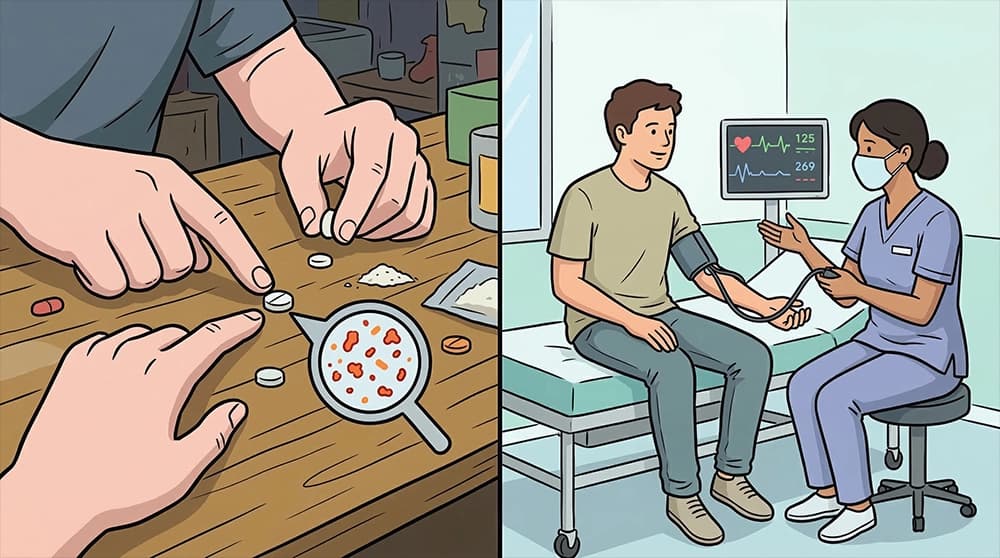
Throughout the process, clinical staff monitor vital signs, assess symptom severity, and adjust medications in real time. This individualized approach ensures that each person receives the care their body needs at each stage of withdrawal.
The Detox Setting: What to Expect
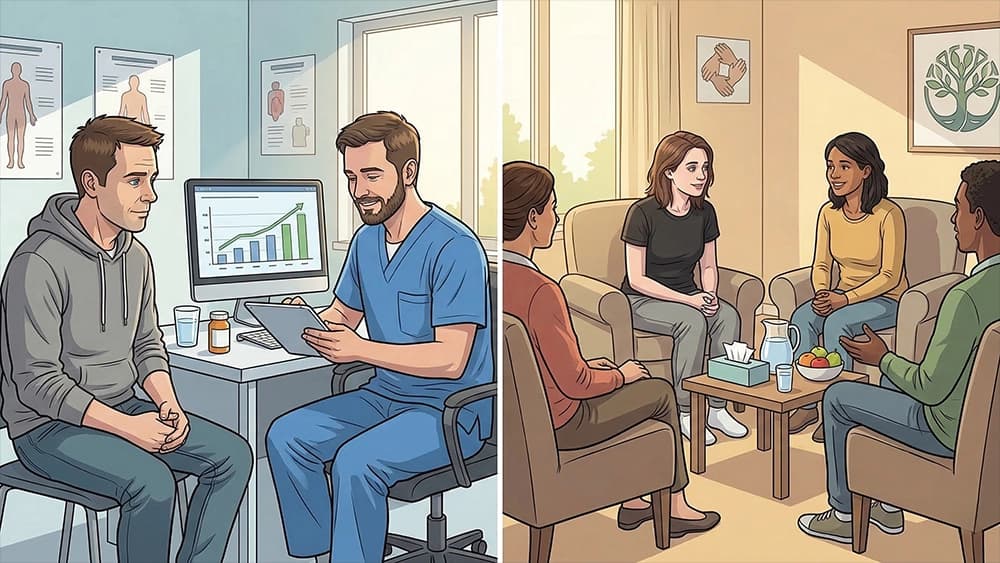
Upon arrival, you'll complete an intake assessment covering your substance use history, medical background, mental health status, and current symptoms. You'll receive a physical examination and possibly lab work. During detox, your days include regular check-ins with nursing staff, medication administration, meals, hydration, and rest. The clinical team begins aftercare planning during detox—before you complete withdrawal, you'll have a plan for the next level of care, whether that's residential treatment or outpatient programming.

Why Detox Is Only the Beginning
Detox stabilizes your body but does not treat the addiction itself. The behavioral patterns, emotional triggers, and social factors that drove heroin use remain after withdrawal subsides. Effective recovery connects detox to continued care—residential treatment provides intensive therapeutic support, while outpatient programs offer flexibility for those with stable housing. Understanding and treating heroin addiction requires ongoing professional support beyond the detox phase.
Practical Considerations for Huntington Beach Residents
Choosing a local detox program means shorter travel during a vulnerable time, easier family involvement, and smoother transition to step-down care. Most commercial insurance plans, Medi-Cal, and Medicare cover medically supervised detox services. Verifying your benefits before admission helps ensure continuity.
Taking the First Step
If you or someone you care about is ready to stop using heroin, professional detox is the safest and most effective starting point. The withdrawal phase is temporary, but the decision to seek help can change the trajectory of your life.
At Surf City Detox, our team provides medically supervised heroin detox in a supportive Huntington Beach setting. We use evidence-based medications, individualized treatment plans, and compassionate care to help each person through withdrawal safely. Our clinical team also coordinates transition planning so your recovery continues seamlessly after detox.
Call Surf City Detox at (714) 248-9760 to speak with our intake team. We can answer your questions, explain the detox process, verify your insurance, and help you get started. Recovery begins with one step—and we're here to walk it with you.
Medical disclaimer: This article is for informational purposes only and does not constitute medical advice. Always consult with a healthcare provider for personalized recommendations.
Frequently Asked Questions
What does heroin withdrawal feel like?
Heroin withdrawal produces flu-like symptoms including muscle aches, sweating, chills, nausea, vomiting, diarrhea, and insomnia. Anxiety, restlessness, and intense cravings are also common. Symptoms begin 6–12 hours after the last use and peak around days 2–4. While withdrawal is rarely life-threatening, the discomfort is severe enough that medical support significantly improves outcomes.
How long does heroin detox take?
Acute heroin withdrawal typically lasts 7–10 days. The most intense symptoms occur between days 2 and 4, then gradually subside. Post-acute withdrawal symptoms—including sleep disturbances, mood changes, and low energy—can persist for weeks or months. Medical detox manages the acute phase while aftercare addresses longer-term symptoms.
What medications are used during heroin detox?
Buprenorphine is the most commonly used medication during heroin detox. It activates opioid receptors enough to prevent withdrawal and reduce cravings without producing a high. Clonidine may be used to manage anxiety, sweating, and muscle aches. Additional medications address nausea, insomnia, and other specific symptoms as needed.
Can I detox from heroin at home?
Home detox from heroin is strongly discouraged due to the severity of withdrawal symptoms and the high risk of relapse. Without medical support, the discomfort often drives people back to using before withdrawal is complete. Professional detox provides medication, monitoring, and support that make withdrawal safer and more manageable.
How do I start heroin detox at Surf City Detox?
Call Surf City Detox at (714) 248-9760 to speak with our intake team. We can conduct a phone screening, explain the detox process, verify your insurance, and coordinate your admission. Our team is available to answer questions and help you take the first step toward medically supervised withdrawal care.
Sources & References
This article is based on peer-reviewed research and authoritative medical sources.
- Opioid Withdrawal Management — StatPearls / National Library of Medicine (2024)
- Effective Treatments for Opioid Addiction — National Institute on Drug Abuse (NIDA) (2024)
- Medications for Opioid Use Disorder — Substance Abuse and Mental Health Services Administration (SAMHSA) (2025)
Surf City Detox
Surf City Detox Medical Team